



Ep. 5: Protecting the Lowcountry with Andrew Wunderley, the Charleston Waterkeeper
In this episode of the Put 'Em Back Podcast, host Casey Davidson sits down with a true guardian of our coast: Andrew Wunderley, the official Charleston Waterkeeper.
If you love fishing, paddling, surfing, or simply living in the South Carolina Lowcountry, this is a must-watch conversation. Andrew shares the hard truths about what is currently hiding in our local rivers, how localized scientific data is driving multi-million dollar infrastructure cleanups, and the powerful role everyday citizens play in defending our marine ecosystems.
Watch the full episode below and read on for the key takeaways, actionable conservation tips, and local volunteer opportunities.
[00:00] First Annual Put ’Em Back Fishing Tournament
Before diving into the interview, Casey Davidson of Toadfish announces the first annual Put ’Em Back Fishing Tournament! Running from September 13th to the 19th, this statewide, catch-and-release-only tournament focuses on redfish, trout, and flounder. Best of all, 100% of the proceeds directly support marine conservation South Carolina initiatives.
[00:48] What Exactly is a Waterkeeper?
Andrew defines the three-pronged mission of the Charleston Waterkeeper: to protect, restore, and defend the health and integrity of Charleston's waterways for both people and nature. Operating as an independent community watchdog, the organization utilizes a strategic mix of science, stewardship, and grassroots advocacy.
[02:20] The Public Trust Doctrine
Why fight so hard for clean water? Andrew breaks down the concept of the "Public Trust." Our creeks, marshes, rivers, and beaches do not belong to private entities or political factions—they belong to the citizens of South Carolina. Protecting them requires local communities to stand up and act as the primary voice for the Ashley, Cooper, Stono, and Wando rivers.
[05:10] Turning Data Into Action: The $10 Million Ellis Creek Cleanup
Andrew explains the Waterkeeper's renowned Swim Alert Program. Every Wednesday from May through October, teams sample local waters for fecal contamination to let families know where it is safe to recreate. Over time, this scientific tracking acts as immense legal leverage. Andrew shares how 12 years of localized sampling data on James Island’s Ellis Creek triggered a massive $10 million infrastructure investment to transition an entire neighborhood off failing septic systems and onto modern sewer lines.
[11:57] The Threat of Microplastics & "Nurdles" in the Harbor
The conversation shifts to a more sinister pollutant: macro and microplastics. Andrew reveals a startling statistic—microplastics have been detected in every single water sample taken over a two-year period in the Charleston Harbor estuary. He maps out the global supply chain of "nurdles" (the raw, virgin plastic pellets used in manufacturing) and details how local transloading near the Cooper River has led to severe spills. Thanks to federal Clean Water Act advocacy, the Waterkeeper secured a landmark $1.2 million settlement to fund future harbor remediation projects.
[20:43] Sparking a Passion for Conservation in the Next Generation
Casey shares a personal story of taking his young daughter to a volunteer marsh cleanup. In just a 300-yard stretch of marsh, 20 volunteers completely filled a full-sized pickup truck bed with debris—including old toasters, tires, and plastic debris. Andrew stresses that while removing trash restores critical habitat, the real magic of these events is igniting a lifelong stewardship ethic in youth.
[23:51] How to Become a Volunteer Creek Watcher
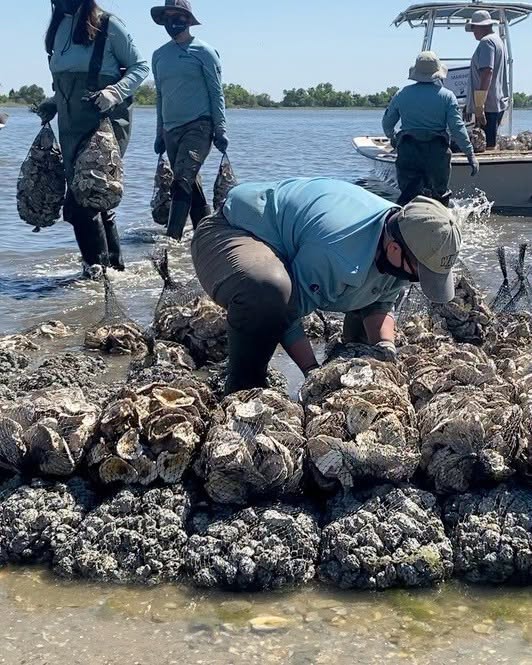
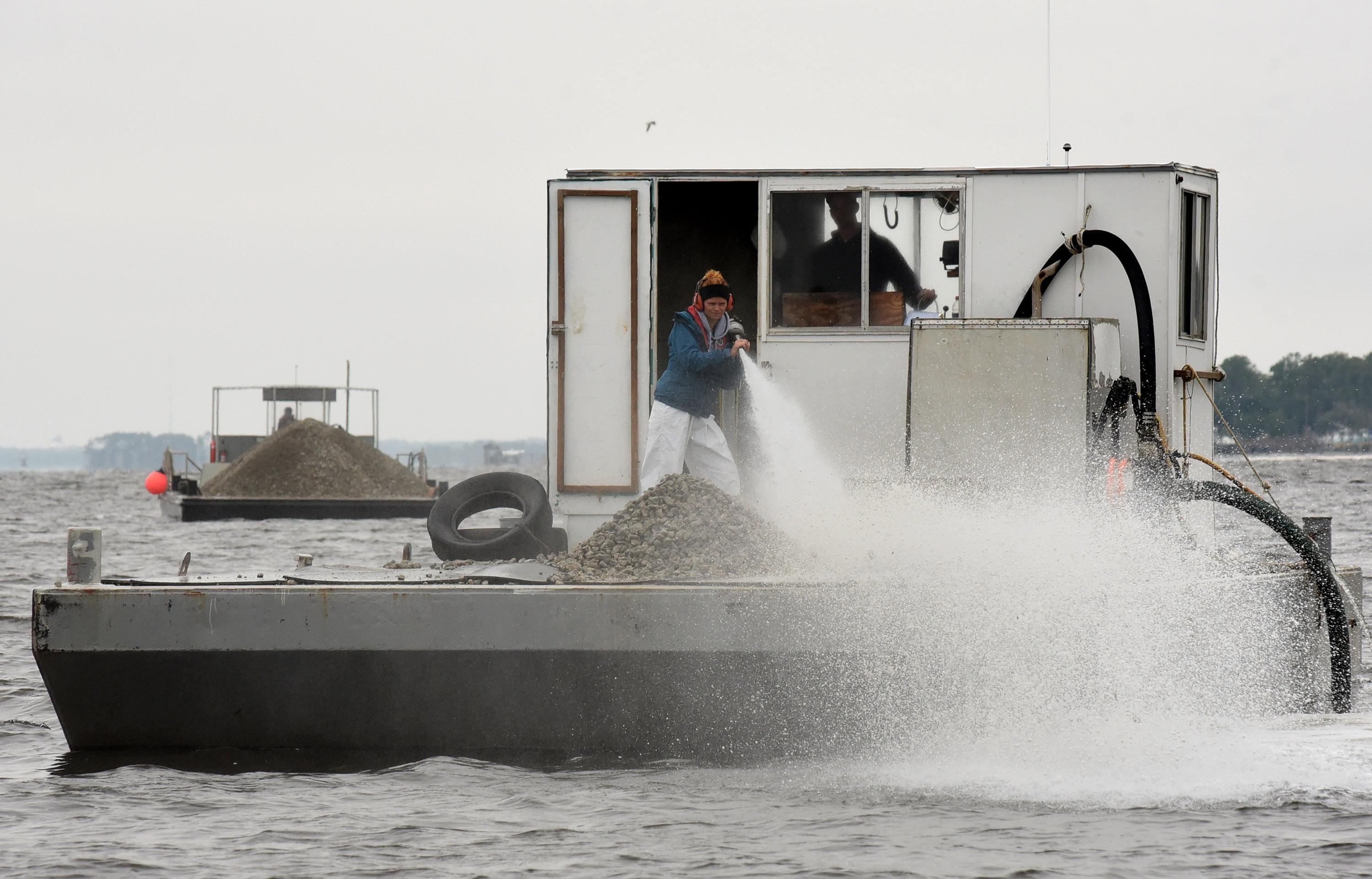
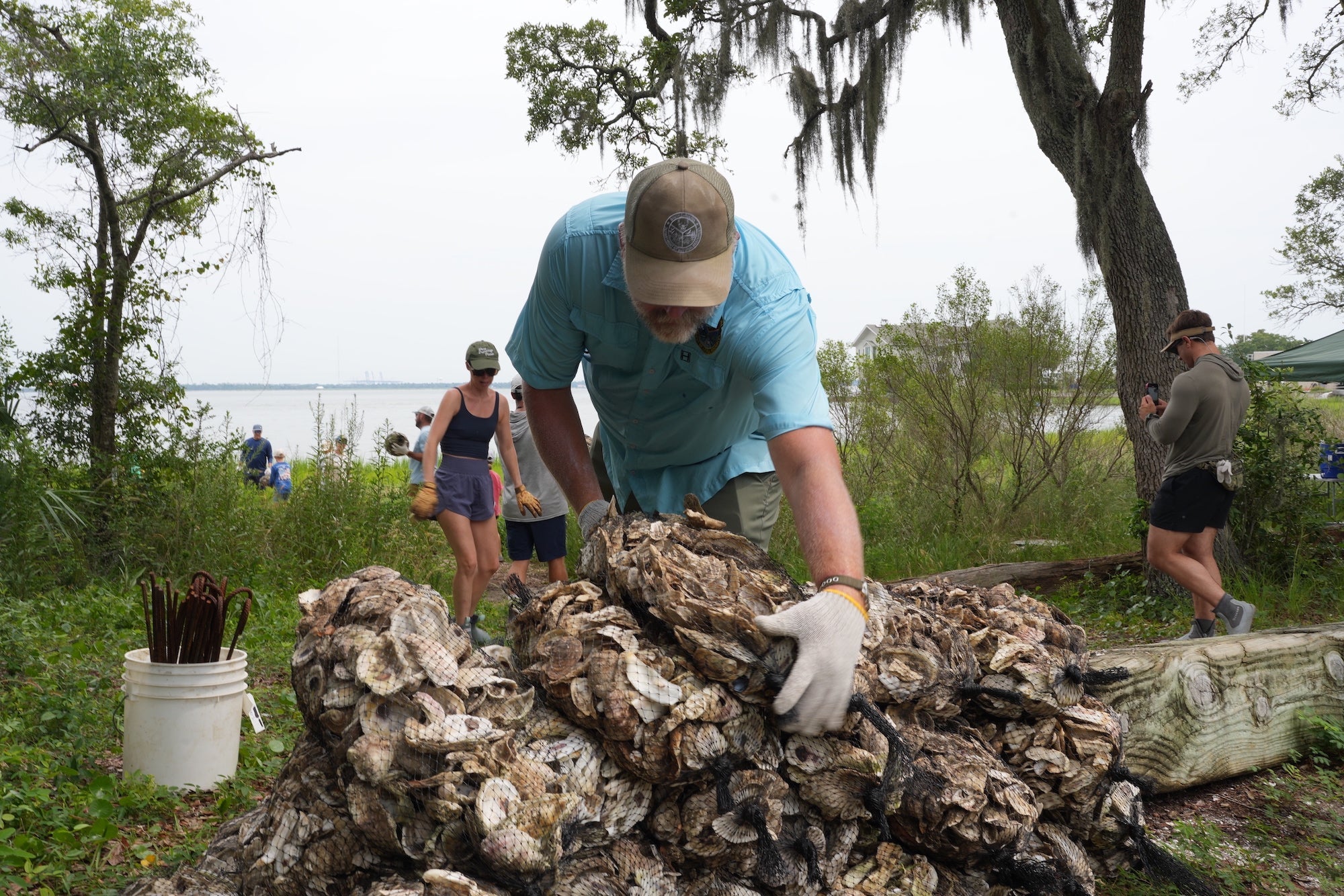
Beyond standard marsh cleanups, the Charleston Waterkeeper offers advanced volunteer tracks. Citizens can be trained as official "Creek Watchers" to monitor water clarity, salinity, and dissolved oxygen, or assist with seasonal microplastic sampling. Andrew also discusses their deep partnership with the South Carolina Department of Natural Resources (SCDNR) SCORE program, executing nearly 70 joint events annually—ranging from collecting spartina seeds to building recycled oyster reefs.
[26:45] Runoff Realities: Lawn Fertilizers, Pesticides, and Forever Chemicals
Andrew discusses a collaborative ecotoxicology project with NOAA utilizing passive silicone bands to trap chemical pollutants in the water column. The results are highly seasonal: whatever pesticides, crab-grass killers, or fertilizers are stocked on the shelves of big-box home improvement stores are exactly what ends up in the water weeks later.
[28:48] Actionable Tips for Waterfront Homeowners
If you are fortunate enough to live along Lowcountry waterways, Andrew shares critical tips to minimize chemical runoff:
-
Read the Label: Avoid doubling doses of chemical treatments; extra product doesn't increase effectiveness, it just runs off into the creek.
-
Check the Forecast: Never apply fertilizers or lawn pesticides right before a major rain event or flood tide.
-
Utilize Natural Buffers: Maintain a 20-to-50-foot buffer zone of native marsh fringe plants (like sea oxeye daisy or groundsel bush) between your managed lawn and the water to naturally filter sheet flow runoff.
-
Incorporate Natural Pest Control: Use habitat management (eliminating standing water) or beneficial insects like ladybugs and praying mantises to curb pests naturally.
Get Involved Today
The future of our fisheries depends entirely on the collective choices we make on land today. Here is how you can support the cause right now:
-
Volunteer: Find an upcoming cleanup, water testing event, or oyster reef build at Charleston Waterkeeper Volunteering.
-
Follow & Connect: Keep up with the latest water quality alerts by following the Charleston Waterkeeper and Toadfish on Instagram.
-
Support the Mission: Every purchase at Toadfish helps fund our coastal conservation coalitions to keep our local waters clean, wild, and abundant.
Listen to Episode 5 on Spotify
Listen to Episode 5 on Youtube



Share:
Ep. 4 Critical Spawning Seasons
Ep. 6 Shrimpgate