



Anglers, Our Redfish Need Us: A Deep Dive into the "Put 'em Back Podcast"
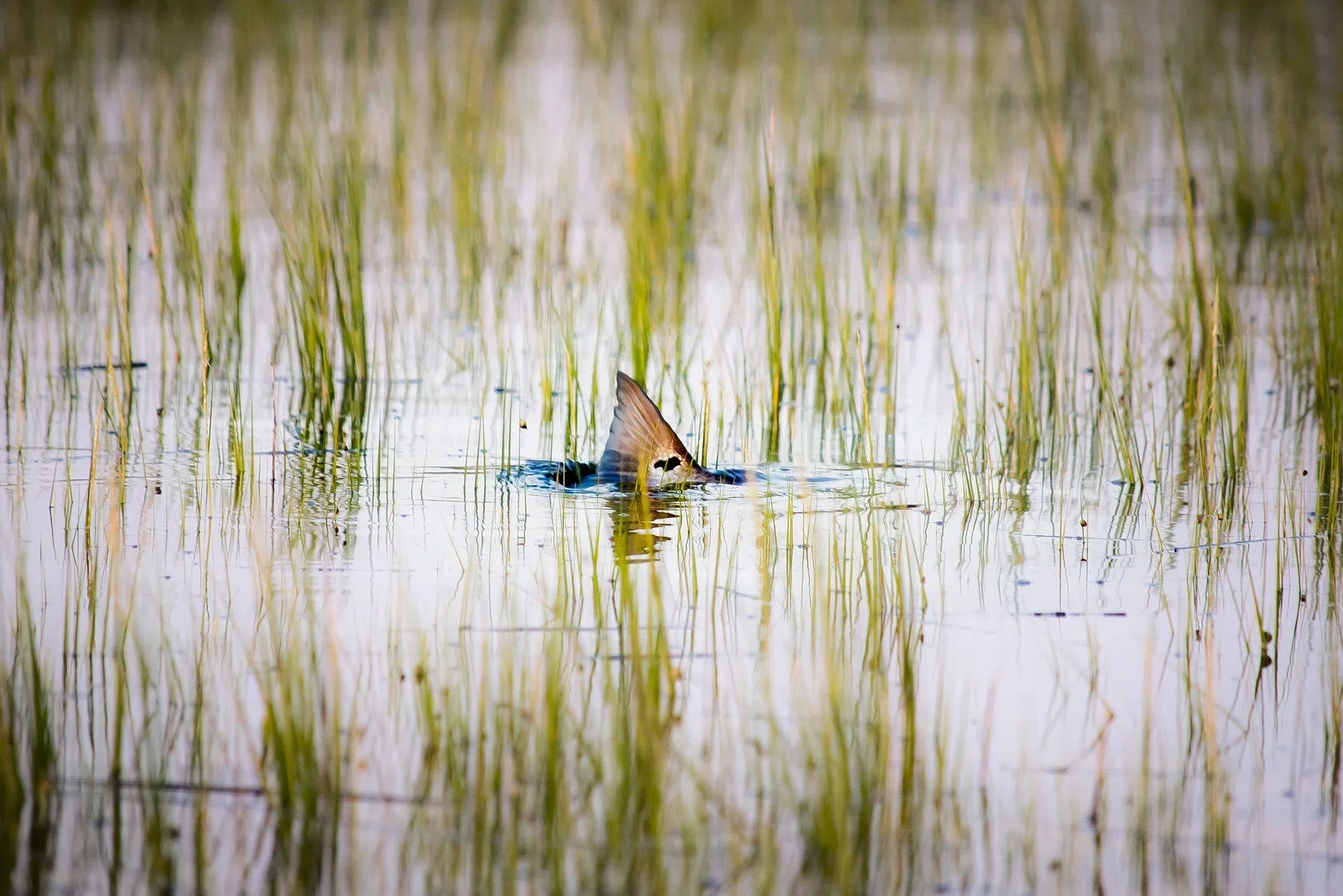
In a recent episode of the "Put 'em Back Podcast," host Toadfish sat down with Casey Davidson and Matt Perinson from the South Carolina Department of Natural Resources to discuss a pressing issue: the decline of the red drum (redfish) population in South Carolina and the southeastern United States. The conversation, featured in the episode titled "Ep. 4 'Critical Spawning Seasons' - Put 'em Back Podcast - Toadfish," sheds light on the challenges facing this beloved species and what anglers can do to help.
The Problem: A Declining Population
Both regional and state stock assessments have shown a concerning decline in the red drum population [01:50]. This decline is attributed to a combination of factors, including increased fishing pressure and a lack of successful reproduction years [02:02, 07:50]. Anglers themselves have noticed the impact, with reports of smaller and fewer schools of fish [02:40].
The South Carolina Department of Natural Resources has been monitoring the red drum population through various methods, including a Trammel net survey, which has been providing valuable data since the 1980s [04:04, 06:08]. Interestingly, while the direct harvest of red drum has remained steady, the number of fish caught and released has skyrocketed from 300,000 to 2 million annually [08:46, 09:45]. This has raised concerns about release mortality, where fish do not survive after being released.
What Anglers Can Do to Help
The good news is that anglers can play a crucial role in conserving the red drum population. Here are some actionable tips from the experts:
-
Minimize Handling Time: Aim to keep fish out of the water for no more than 15-30 seconds [11:12].
-
Use the Right Gear: Opt for rubber-coated nets to protect the fish's slime coat and prevent hooks from tangling [10:53].
-
Handle Swallowed Hooks with Care: If a fish swallows a hook, cut the line as close to the hook as possible. Fish are surprisingly good at expelling foreign objects [11:56].
-
Choose Your Hooks Wisely: Inline circle hooks are less likely to cause gut-hooking, especially when using natural bait [12:47]. A short leader (less than 6 inches) with a fixed weight is also recommended [19:26].
-
Respect the Spawning Season: Anglers are encouraged to voluntarily avoid targeting large adult red drum (bull reds) during their peak spawning season, which is typically from late July through September in South Carolina [14:45, 16:11]. Catching them during this period can cause stress, potentially impacting their spawning success and making them more vulnerable to predators in warm water [15:08, 17:41].
Environmental Factors at Play
While anglers can make a significant impact, environmental factors also play a role. Climate change, with its rising sea temperatures and changing wind patterns, can affect the survival of red drum larvae and the success of their spawning [20:31].
The Takeaway
The message from the "Put 'em Back Podcast" is clear: while we can't control environmental factors, we can control our actions on the water [21:34]. By following these best practices, anglers can help ensure a healthy and thriving red drum population for generations to come.
Listen to Episode 4 on Spotify
Listen to Episode 4 on Youtube



Share:
Ep. 3 - Better Habit, Bigger Fish
Ep. 5 The Charleston Waterkeeper