



Ep. 6: Unpacking "Shrimpgate" with Brian Jones of the South Carolina Shrimpers Association
If you have dined out in Charleston recently and ordered the "local fresh shrimp," there is a staggering 90% chance you were lied to.
In this explosive episode of the Put 'Em Back Podcast, host Casey Davidson sits down with Brian Jones, a commercial shrimper out of McClellanville and the Vice President of the South Carolina Shrimpers Association. Together, they pull back the curtain on "Shrimpgate"—a massive local seafood fraud scandal that made waves after independent DNA testing revealed just how few Charleston restaurants are actually serving real, South Carolina wild caught shrimp.
From the deceptive practices of big-box food distributors to the shocking health and human rights concerns surrounding imported farm raised shrimp, Brian shares the raw truth of what our local shrimp fleet is up against—and how we, as a community, can fight back to save a historic Lowcountry industry.
Watch the full episode below and check out the breakdown to learn how to spot real local shrimp on your next night out.
[00:39] The Heritage of McClellanville & Blessing of the Fleet
The episode kicks off with a look at the deeply rooted culture of Lowcountry shrimping. Brian talks about the history behind the McClellanville Blessing of the Fleet, a 45-year-old tradition that anchors the Lowcountry Shrimp Festival. Casey and Brian agree: the flavor profile of South Carolina’s native white and brown shrimp, fueled by our pristine marsh estuaries, is completely unmatched anywhere else in the world.
[01:54] What is "Shrimpgate"? The Charleston DNA Study
Brian breaks down the origin of the Shrimpgate Charleston controversy. Food scientists from SEED Consulting conducted genetic DNA testing across local dining establishments. They tested 44 restaurants in the Charleston area that advertised fresh, local, or wild-caught shrimp on their menus. Only four passed. The other 40 restaurants were substituting cheap, foreign aquaculture products while charging consumers a premium price.
[04:47] The Economic Reality: Profiting Off the Backs of Local Fishermen
Casey and Brian discuss the unfair market dynamics at play. Shrimpers aren't asking restaurants to stop serving imported options entirely; they are demanding transparency. Right now, restaurants are purchasing cheap imports for a fraction of the cost, labeling them as "local fresh shrimp," and pocketing massive profit margins on the backs of struggling local commercial fishermen.
[05:40] The Decline of the South Carolina Shrimp Fleet
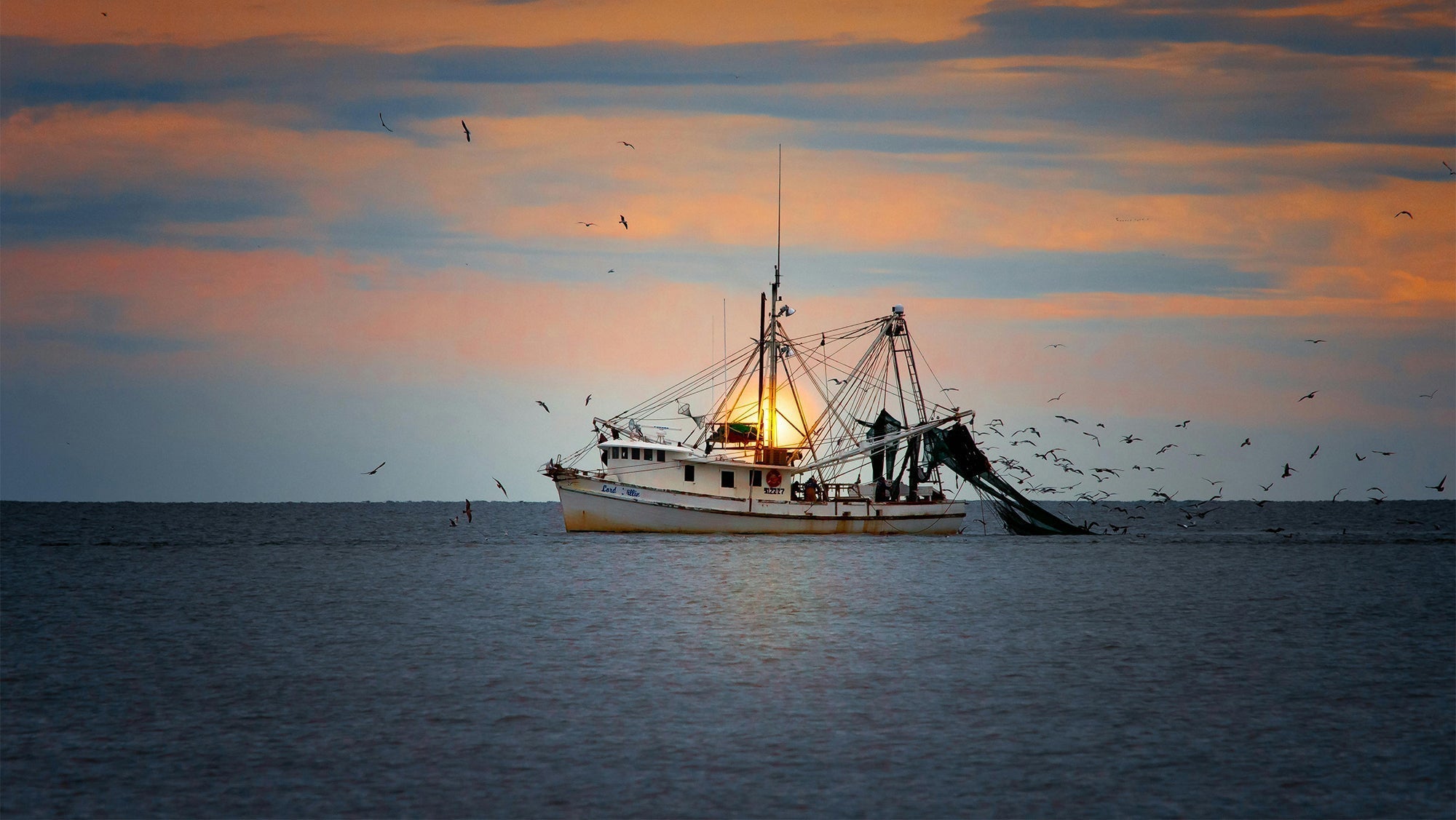
The influx of cheap imports has taken a massive toll on coastal heritage. Casey reflects on his childhood shrimping in Beaufort with his great-uncle, noting that in the early 1990s, South Carolina boasted over 300 active shrimp boats. Today, Beaufort’s fleet has dwindled from over 100 boats down to roughly 15, leaving fewer than 100 commercial shrimp vessels operating across the entire state.
[07:33] The Dirty Truth About Imported Farm-Raised Shrimp
Why is local wild shrimp so much better for you? Brian exposes the stark ecological and health differences. Foreign shrimp ponds in Southeast Asia and Latin America are heavily packed to maximize yield, requiring massive loads of antibiotics, chemical preservatives, and anti-fungals to prevent crop loss. Conversely, South Carolina shrimp come straight from clean coastal waters, go directly onto a box of ice, and hit the docks with zero chemical manipulation.
[15:31 ] Support the Fleet: "Friends Don't Let Friends Eat Imported Shrimp"
Casey announces a special partnership with the South Carolina Shrimpers Association. To raise awareness for local seafood fraud, Toadfish has purchased 3,000 of the association's classic "Friends Don't Let Friends Eat Imported Shrimp" bumper stickers. For the entire month of September, every single package shipped from Toadfish will include one of these stickers for free to help spread the word!
[16:51] Debunking Commercial Shrimping Environmental Myths
Casey pushes back against mainstream documentaries (like Netflix’s Seaspiracy) that vilify bottom trawling. Brian explains how modern commercial shrimping in South Carolina has adopted advanced conservation technologies. Local crews utilize lightweight otter trawls that glide over sandy bottoms rather than coral reefs or seagrass beds.
[19:51] How Turtle Excluder Devices (TEDs) & Fish Eyes Work
Brian details the mechanics of modern net conservation tools. By law, local boats are equipped with Turtle Excluder Devices (TEDs)—angled metal grid bars inside the net that safely bounce sea turtles out through a top escape flap within seconds. Additionally, bycatch reduction devices known as "fish eyes" provide exit cones that allow sport fish like croakers, spot, and juvenile redfish to swim out freely.
[28:10] Forced Labor and Global Traceability Concerns
The conversation turns to the dark side of international supply chains. Brian notes that even specialized wild products, like Argentinian royal red shrimp, are frequently shipped across the globe to processing plants in China that utilize documented forced labor before being repackaged and sent to US grocery stores. Shockingly, less than 2% of all seafood imported into the United States is physically inspected by federal regulators for filth or banned chemical compounds.
[36:02] The Lifecycle of Lowcountry Shrimp
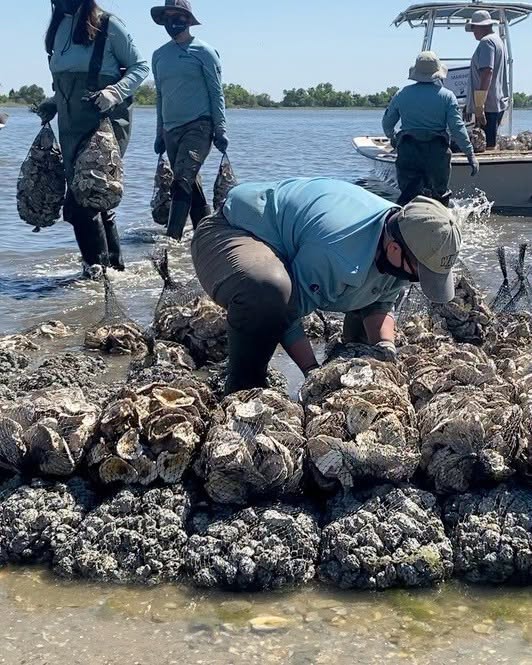
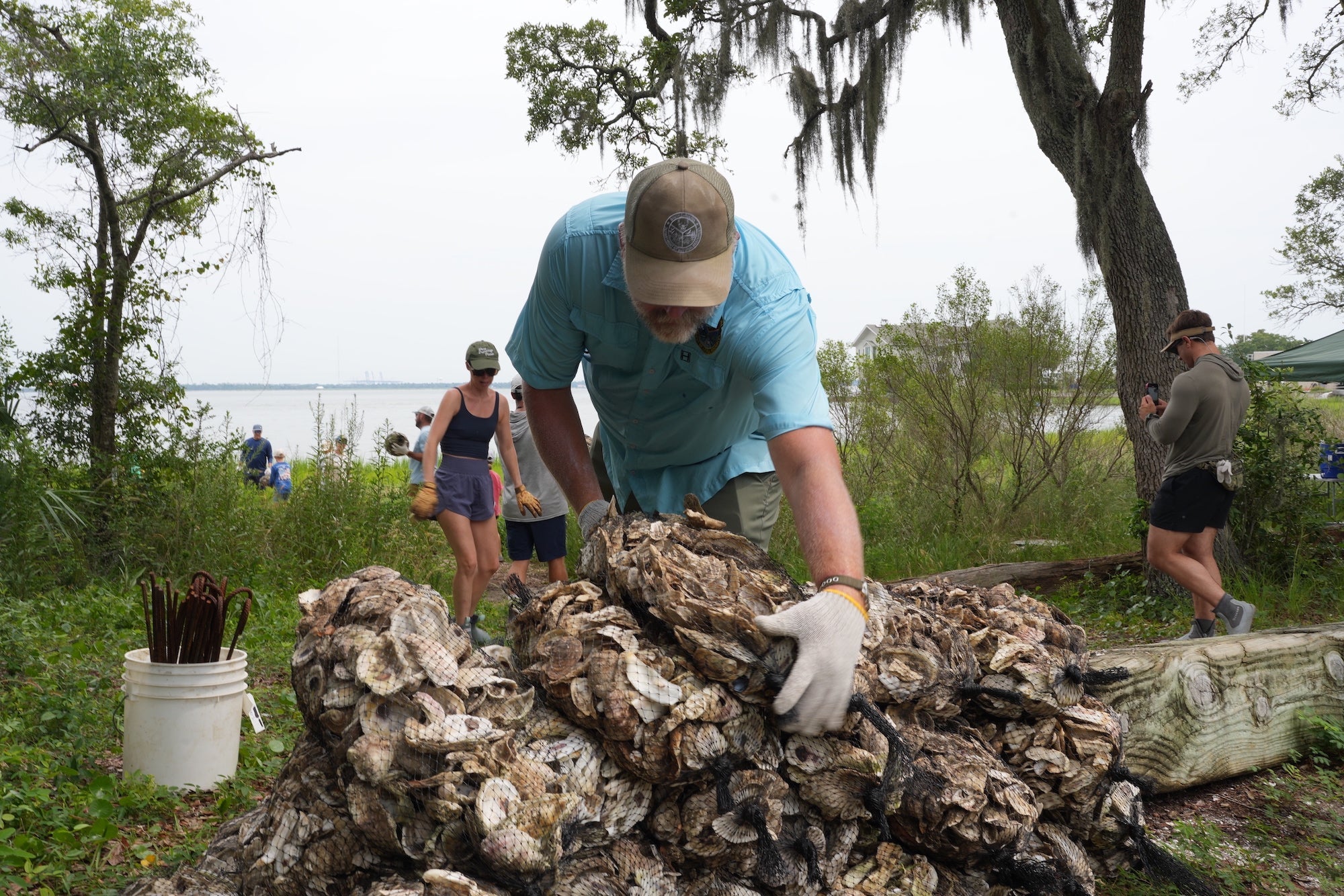
How do our local shrimp thrive? Brian maps out the seasonal cycle. Shrimp spawn offshore, and their microscopic larvae ride the tides deep into our coastal estuaries. They rely directly on native spartina grass and living oyster reefs for shelter and food as they mature into juveniles.
[39:46] Collaborative Conservation with the SCDNR
Brian highlights the deep partnership between commercial shrimpers and the South Carolina Department of Natural Resources (SCDNR). The state does not use arbitrary calendar dates to open or close shrimp seasons. Instead, biologists ride alongside commercial crews to sample water temperatures, monitor ovarian cycles, and verify spawning counts to ensure long-term, sustainable harvests year after year.
How You Can Fight Seafood Fraud
The easiest way to save South Carolina’s shrimping heritage is to vote with your wallet. The next time you sit down at a seafood house or visit a local market, follow these steps:
- Ask the Hard Questions: Don't just order the shrimp. Ask your server point-blank: "Where did these shrimp come from, and are they domestic wild-caught?"
- Look for the Labels: When buying retail, look for certified Wild American Shrimp or South Carolina Certified logos.
- Support True Partners: Frequent the honest local establishments that proudly pay the premium to support local docks and sustainable marine conservation South Carolina practices.
Listen to Episode 6 on Spotify
Listen to Episode 6 on Youtube



Share:
Ep. 5 The Charleston Waterkeeper