

9 comments

  • Nbrbdoll
    • Nbrbdoll
    • April 30, 2023 at 9:50 am

    Really obviously you don’t cook much its4 6oz pieces of fish 1in thick and they () suggested types of fish

  • RedfishRandy
    • RedfishRandy
    • April 29, 2023 at 11:01 pm

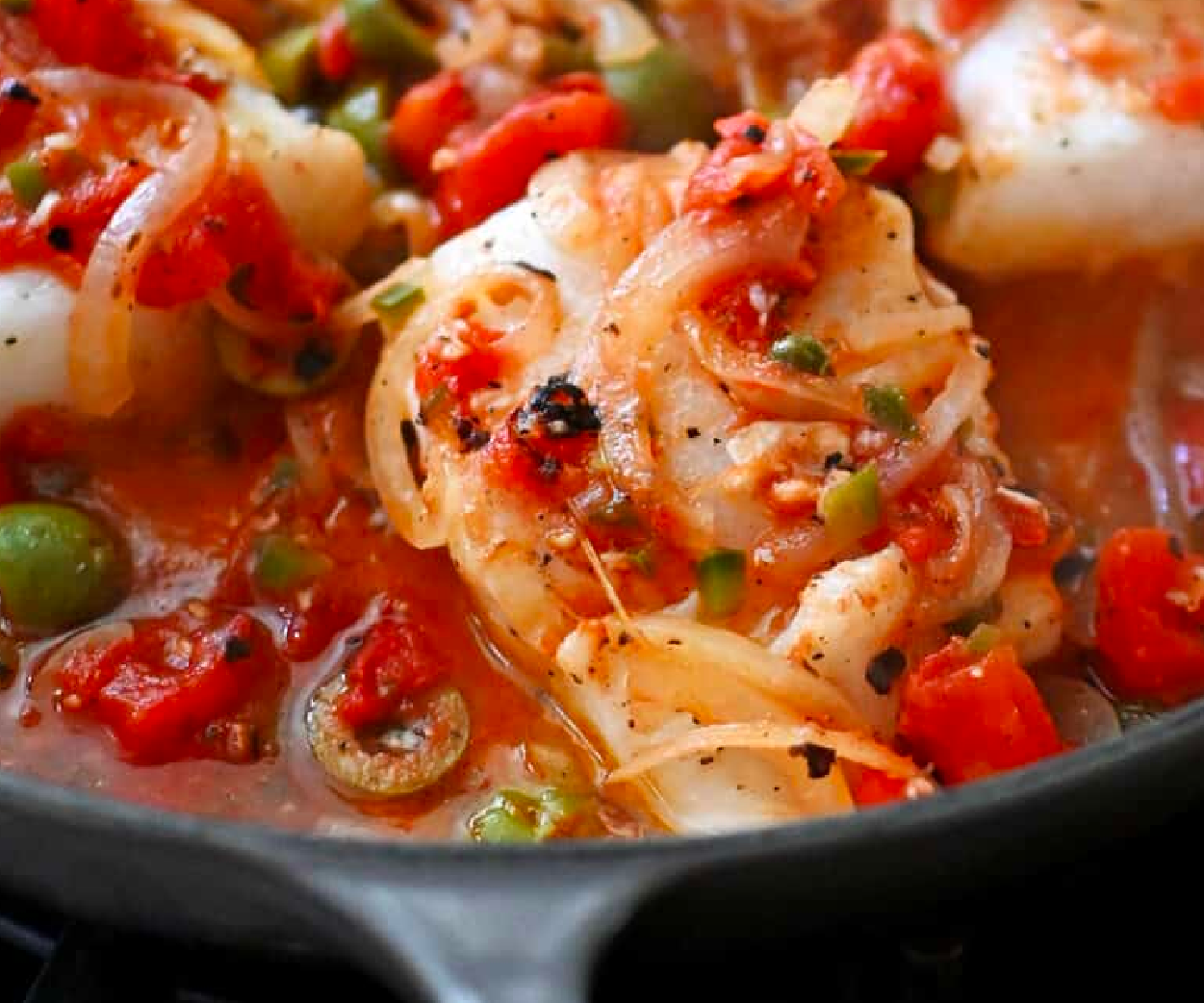
    Yes, size or type of fish really doesn’t matter. Bottom line is the fish cooks in the sauce, just don’t stir it or you’ll break up the fish pieces and have “tomato-fish hash”

  • Matt
    • Matt
    • April 29, 2023 at 5:13 pm

    Looks like you use jalapeños but it’s not mentioned in the ingredients. Looks delicious!

  • Scott
    • Scott
    • April 29, 2023 at 3:38 pm

    I don’t understand : 4 white fish filets (skinless and boneless), about 6 oz. each and 1-inch thick (sea bass, red snapper, mahi, cod, or tilapia)
    Why are we using the white fish filets AND 1" thick pcs of another fish? What am I missing? Is this supposed to read " 4 fish filets ( sea bass, red snapper, mahi, cod or tilapia) approximately 1" thick"

Leave a comment

Please note, comments need to be approved before they are published.

This site is protected by hCaptcha and the hCaptcha Privacy Policy and Terms of Service apply.

Latest Stories

View all

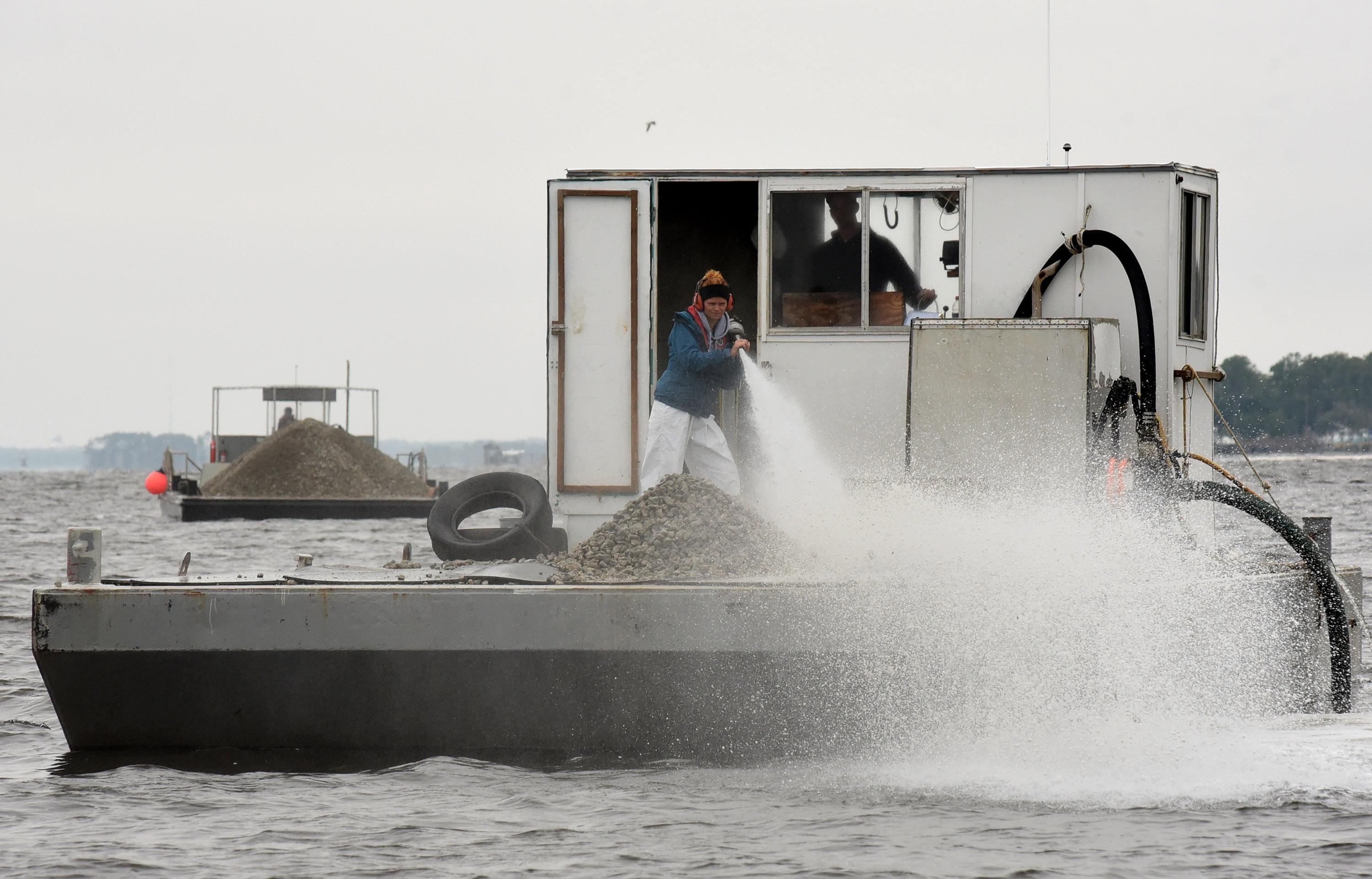
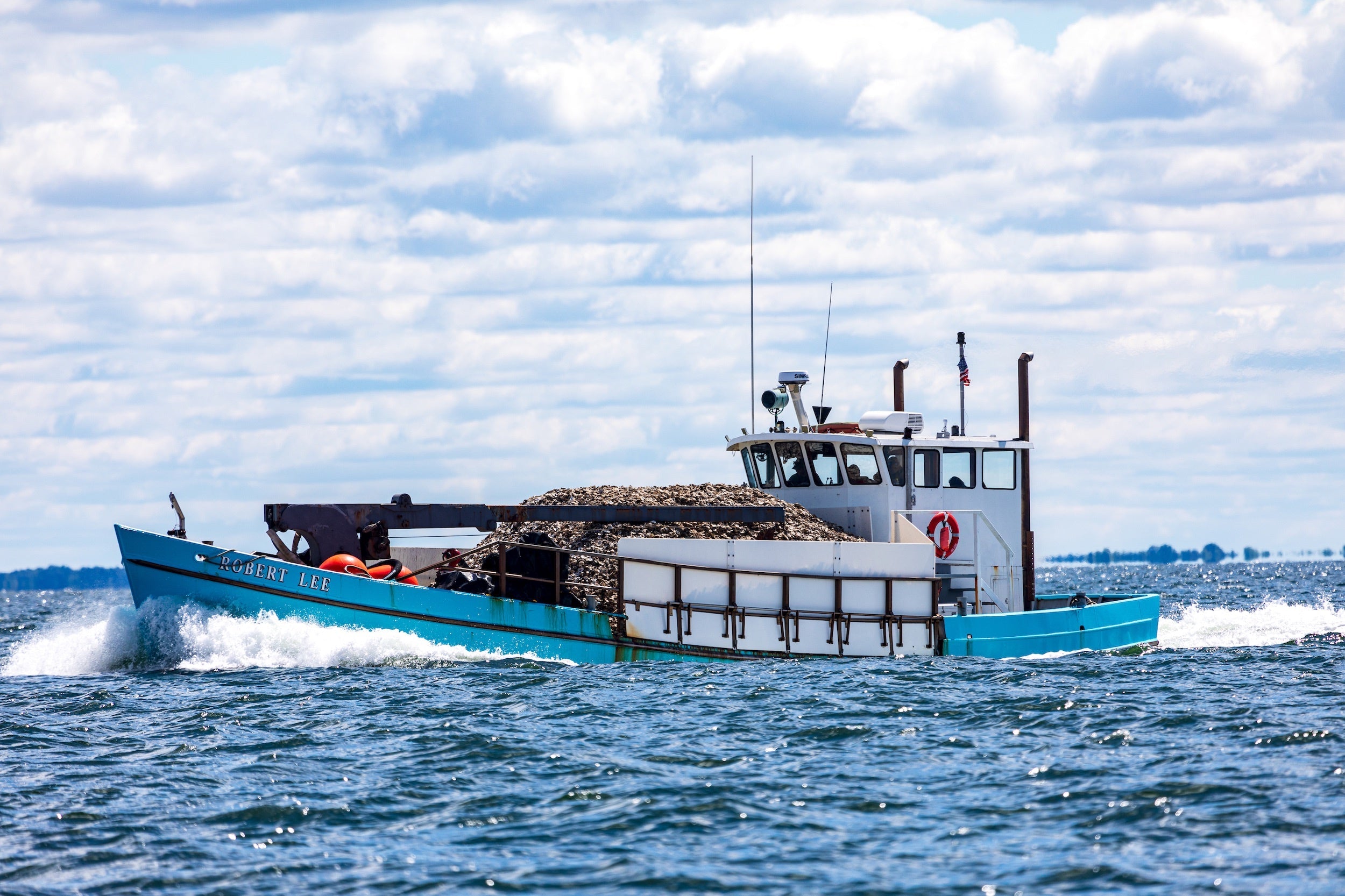
barge brings oyster recovery partnership shells out to be planted into a reef

A Pathway for Oysters: Restoring Habitat in the Lower Cape Fear
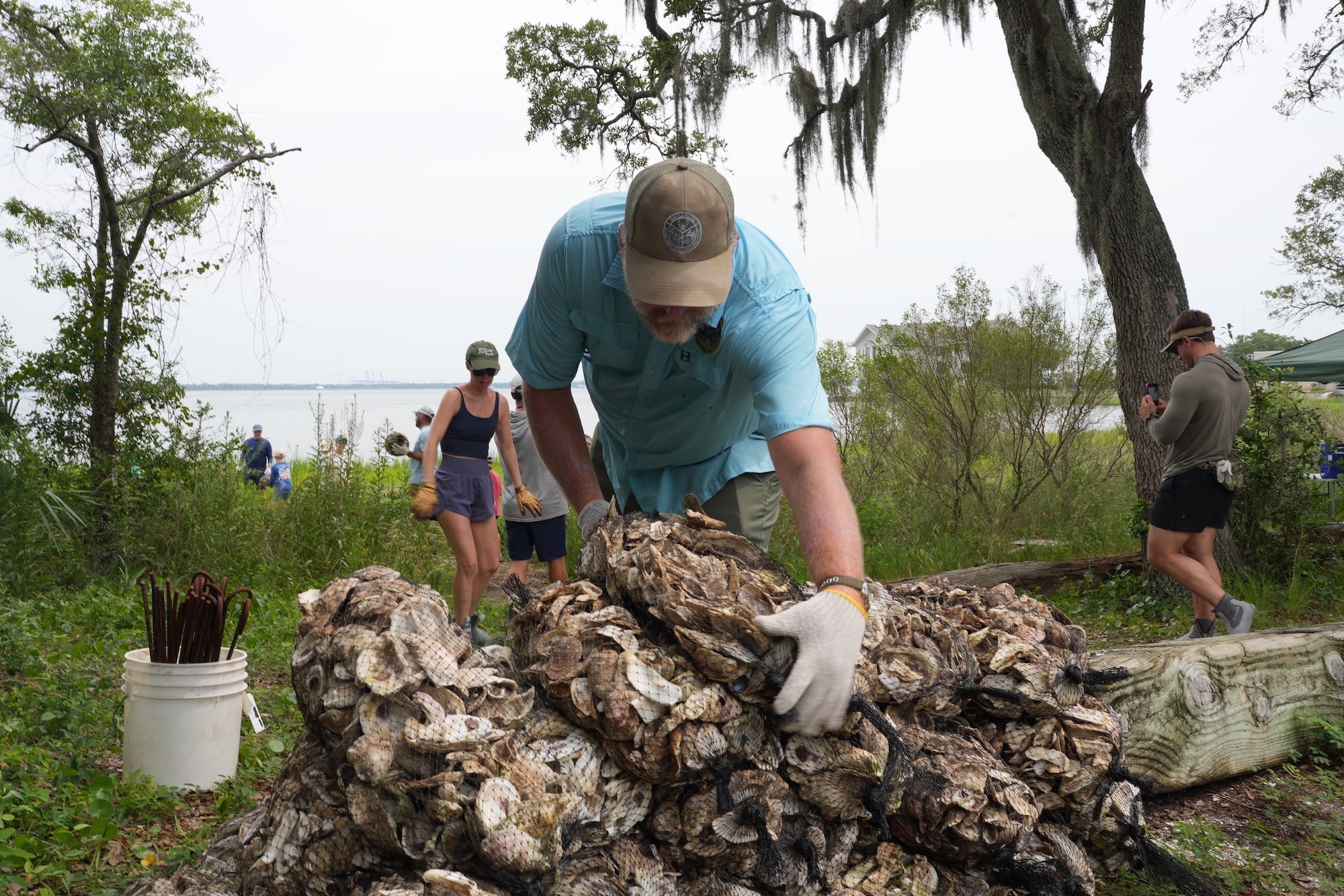
The North Carolina Coastal Federation is working to bring oyster habitat back to the Lower Cape Fear River through an ambitious, multi-year Oyster Pathway. Learn how this collaborative restoration effort is reconnecting reefs, strengthening coastal ecosystems, and creating a healthier future for one of North Carolina’s most important waterways—and how Toadfish is helping support the work.

Read more

barge brings oyster recovery partnership shells out to be planted into a reef

Building a Living Shoreline: SCDNR Research at Fort Johnson
This summer, the Toadfish Conservation Coalition helped support a new 200-foot living shoreline at SCDNR’s Marine Resources Research Institute at Fort Johnson in Charleston Harbor. Built on years of SCDNR research, the project combines manufactured wire reefs and oyster shell bags to create new oyster habitat, protect an eroding salt marsh, and provide researchers with valuable data on how living shorelines can strengthen South Carolina’s coast.

Read more

barge brings oyster recovery partnership shells out to be planted into a reef

Rebuilding the Bay: The Work of the Oyster Recovery Partnership

Toadfish partners with the Oyster Recovery Partnership to support large-scale oyster reef restoration across the Chesapeake Bay. Through shell recycling, reef construction, and community-driven initiatives, ORP is rebuilding critical habitat, improving water quality, and strengthening coastal ecosystems. This collaboration highlights the impact of long-term conservation efforts and the importance of oysters in restoring balance to one of the nation’s most vital and productive estuaries.

Read more