




9 comments

  • YIilWnVfhuUew
    • YIilWnVfhuUew
    • August 3, 2024 at 5:15 pm

    LleugipGrPy

  • hNTAJlMWnPtjU
    • hNTAJlMWnPtjU
    • July 26, 2024 at 3:57 pm

    sudbFSBcyEv

  • Steve
    • Steve
    • February 11, 2024 at 12:04 pm

    Chopped pepper is not in the ingredients list.

  • Lorie
    • Lorie
    • May 1, 2023 at 2:50 pm

    So delicious! I used tilapia and this recipe was perfection! 5 star recipe. I’ve printed it for my recipe binder because this is one that I’ll be making again!

  • Lori Lucas
    • Lori Lucas
    • April 30, 2023 at 9:51 am

    Really obviously you don’t cook much its4 6oz pieces of fish 1in thick and they () suggested types of fish

Leave a comment

Please note, comments need to be approved before they are published.

This site is protected by hCaptcha and the hCaptcha Privacy Policy and Terms of Service apply.

Latest Stories

View all

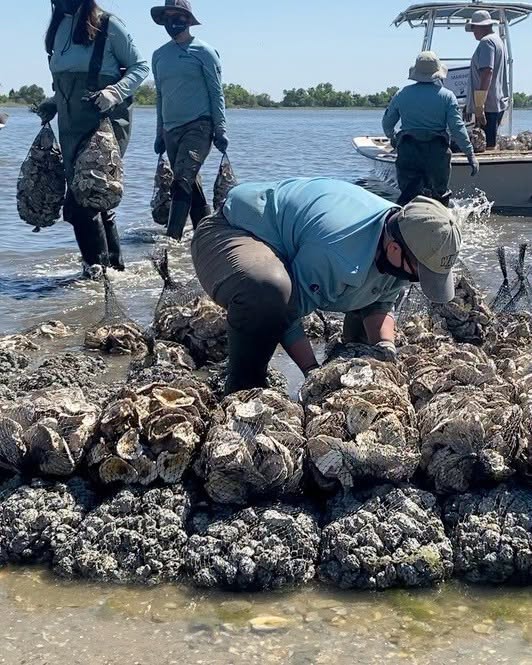
Florida Oceanographic team builds oyster reef

From Research to Oyster Reef with Florida Oceanographic Society
Florida Oceanographic Society is working to better understand what helps oyster reefs thrive in Florida’s changing estuaries. Learn how their research into disease, salinity, and reef health is helping shape smarter oyster restoration and how Toadfish is supporting the work.

Read more

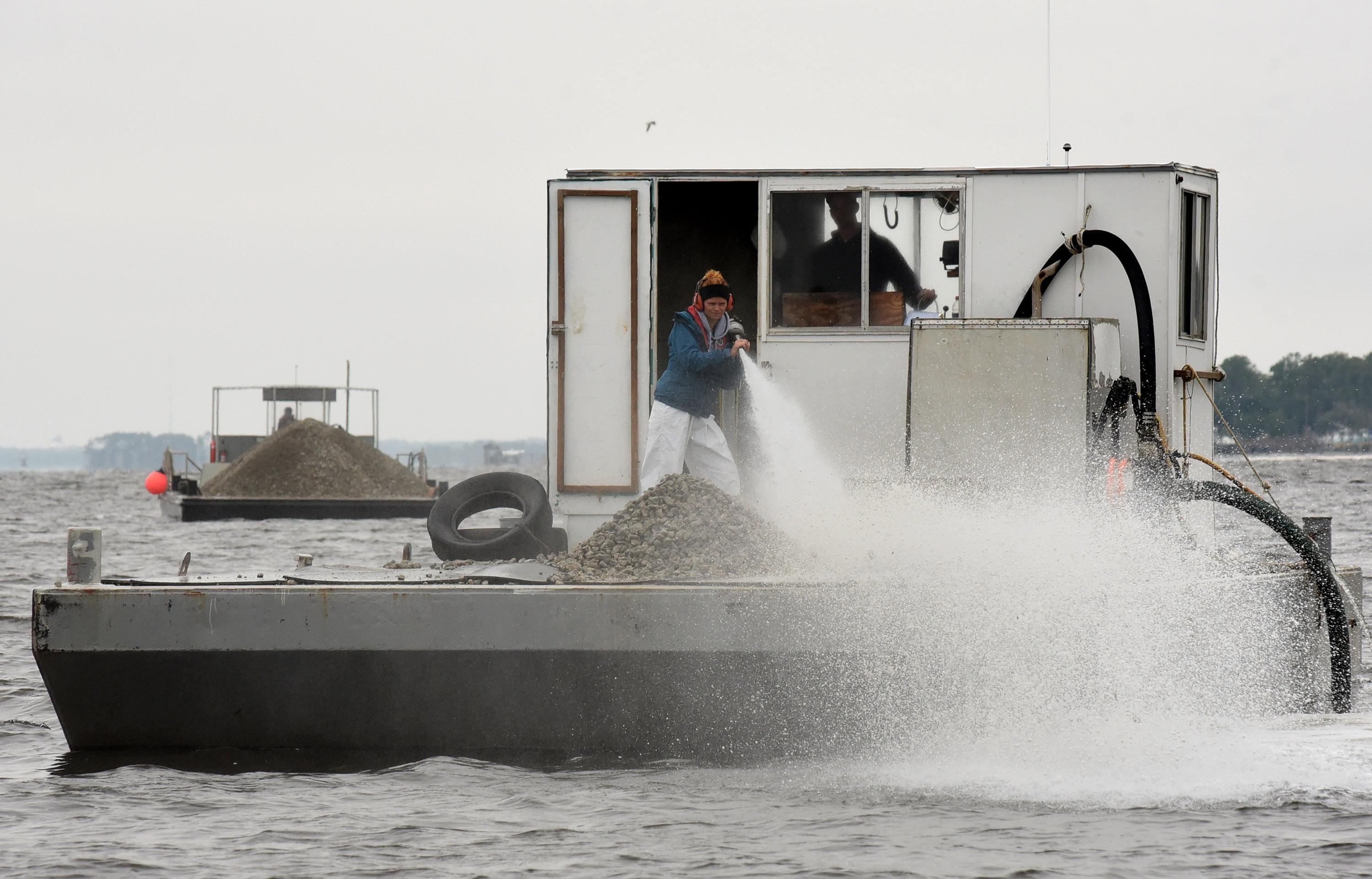
barge brings oyster recovery partnership shells out to be planted into a reef

A Pathway for Oysters: Restoring Habitat in the Lower Cape Fear
The North Carolina Coastal Federation is working to bring oyster habitat back to the Lower Cape Fear River through an ambitious, multi-year Oyster Pathway. Learn how this collaborative restoration effort is reconnecting reefs, strengthening coastal ecosystems, and creating a healthier future for one of North Carolina’s most important waterways—and how Toadfish is helping support the work.

Read more

barge brings oyster recovery partnership shells out to be planted into a reef

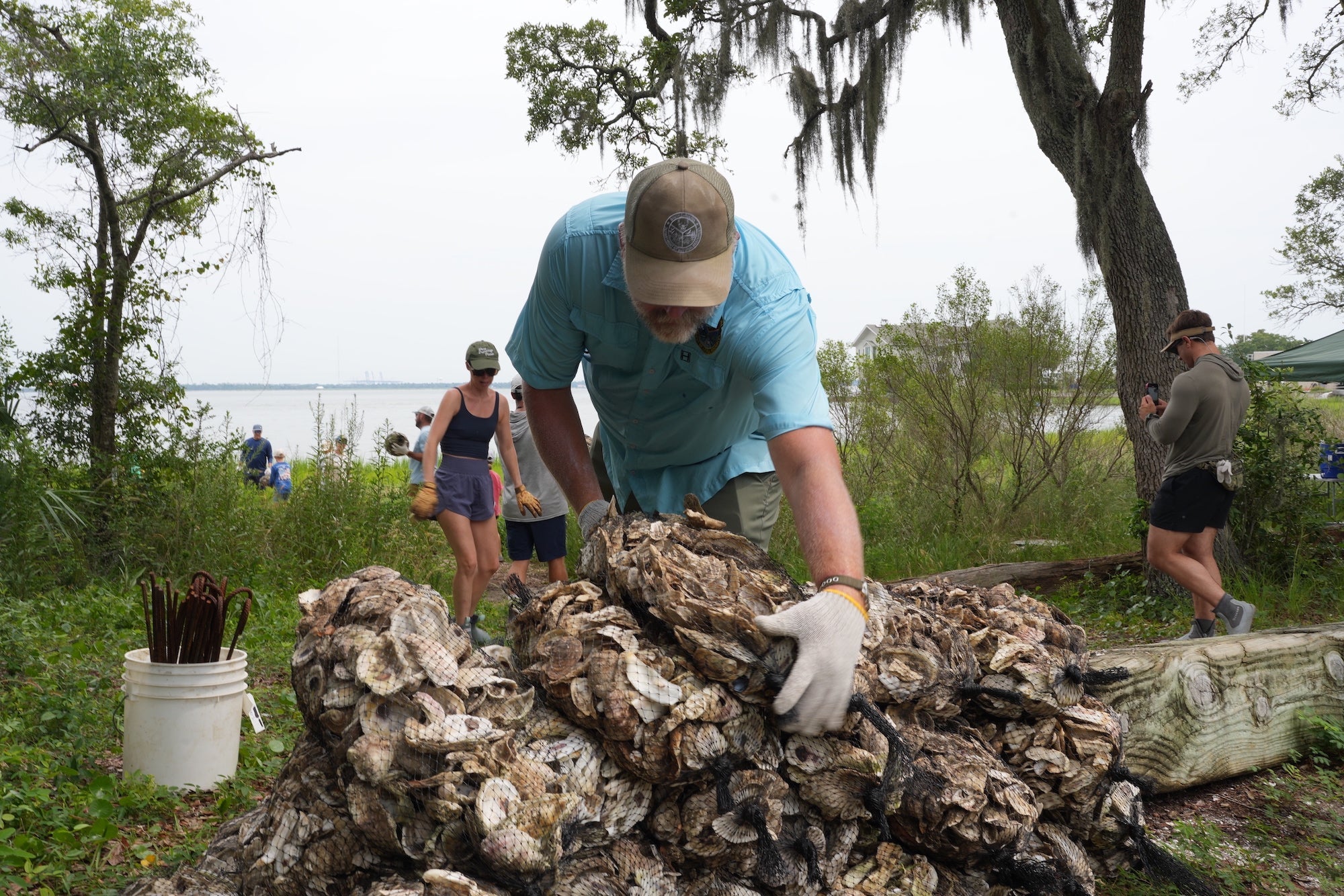
Building a Living Shoreline: SCDNR Research at Fort Johnson

This summer, the Toadfish Conservation Coalition helped support a new 200-foot living shoreline at SCDNR’s Marine Resources Research Institute at Fort Johnson in Charleston Harbor. Built on years of SCDNR research, the project combines manufactured wire reefs and oyster shell bags to create new oyster habitat, protect an eroding salt marsh, and provide researchers with valuable data on how living shorelines can strengthen South Carolina’s coast.

Read more