



If you are anything like us, you love to eat oysters. Whether they’re raw, steamed, or grilled we live for these tasty bivalves. Millions upon millions of oysters are consumed every year, but what happens to the empty shells that get
left behind?
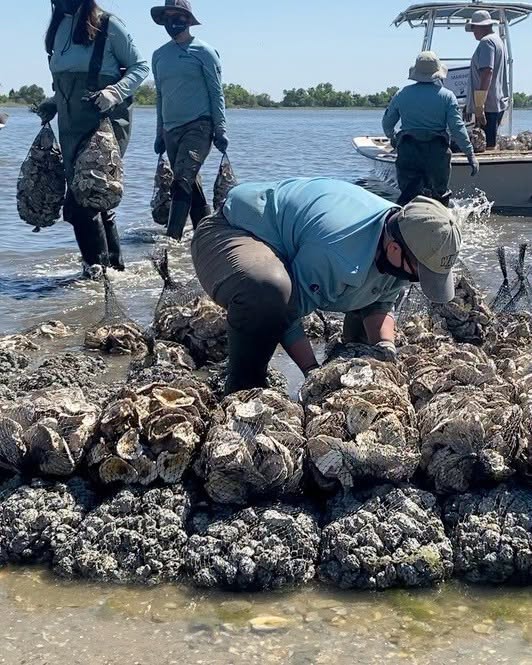
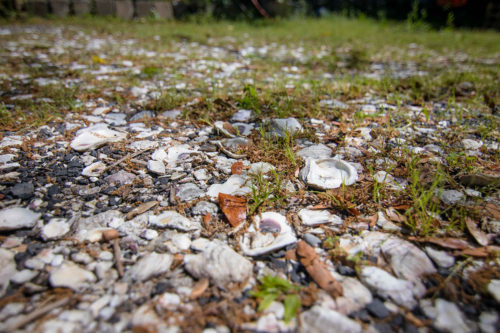
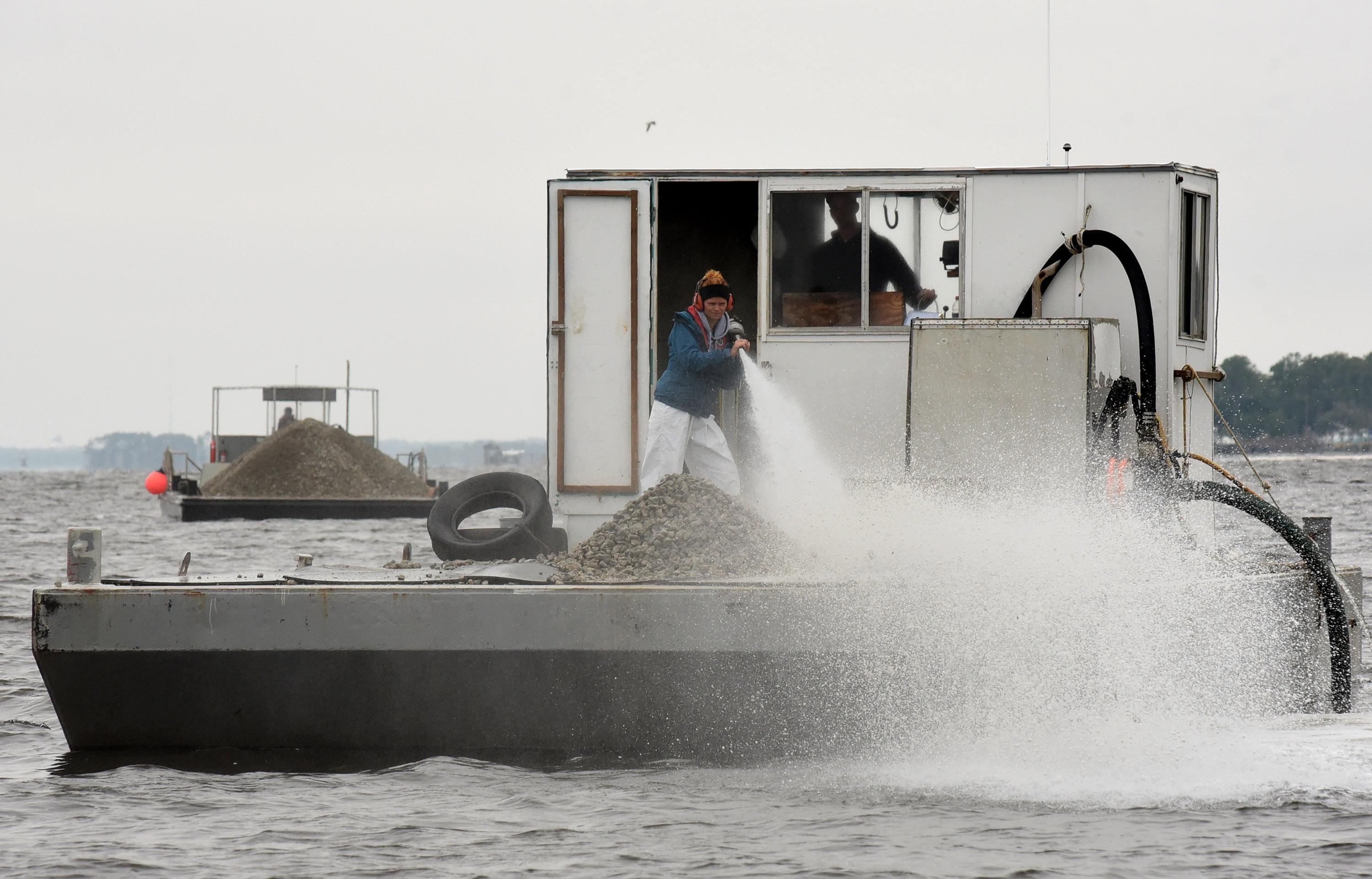
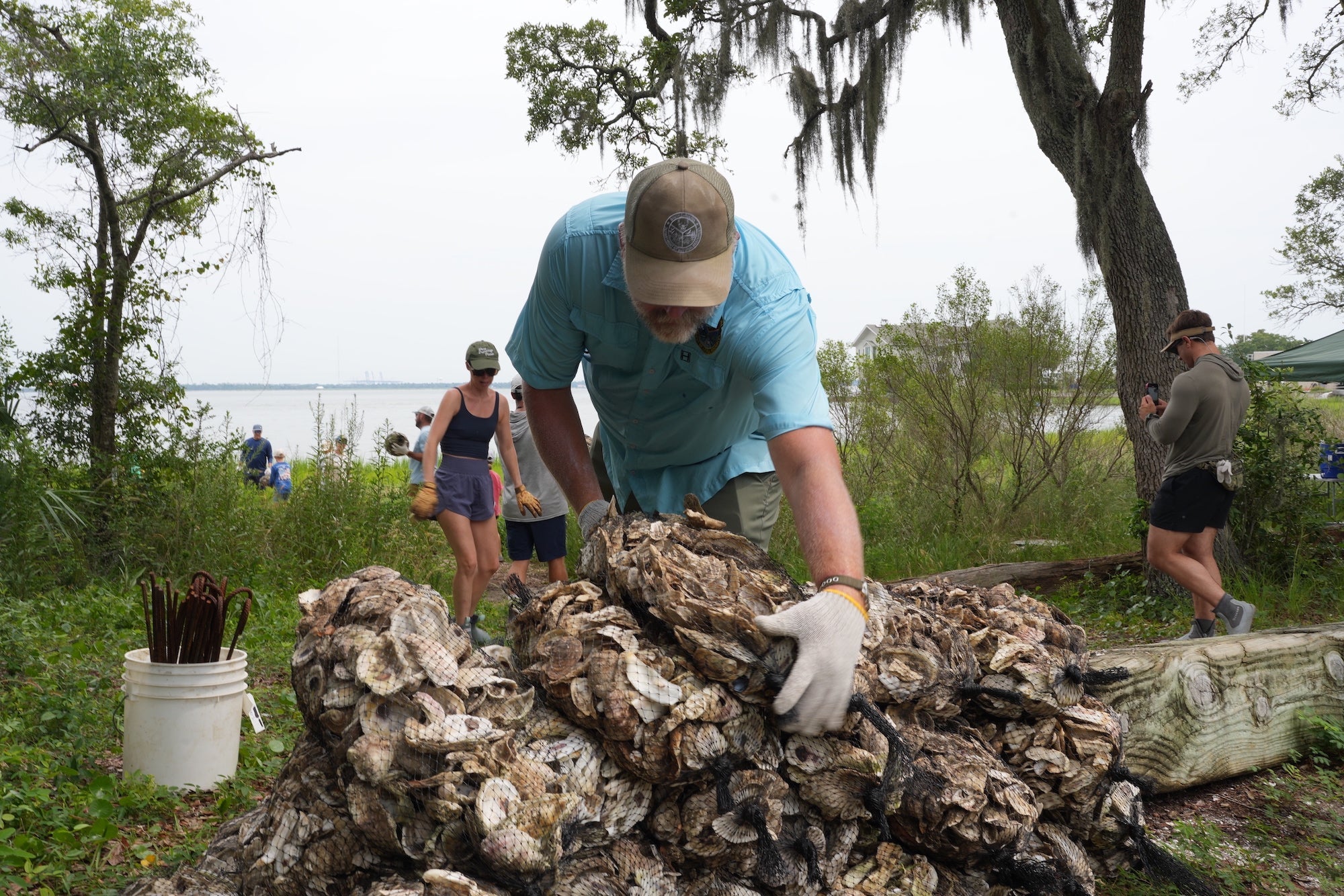
Believe it or not, each shell represents a new chance to regrow the next generation of delicious oysters. Many states have oyster shell recycling locations where you can take your shells for drop off and start the process of paying it forward. Those shells will sit out for a few months where the sun cleans them and gets them ready for the magic that is about to begin. State agencies and volunteers then go to work putting those shells back into the oyster beds where they belong. Can’t you hear the song ‘circle of life’ from the Lion King playing in the background!
Oysters produce larvae, called spat, which float around in search for hard substrate to call home. Yes, oysters will grow on other hard surfaces like rocks, jetties, and piers, but their favorite landing pad is your recycled shell. Those old shucks are full of the calcium that the baby oysters need to grow quickly and grow large! Each year more and more people move to coastal areas in the US, and with that the demand for fresh oysters has increased tenfold. Sadly, only a fraction of the oysters consumed each year are being recycled and returned to the ecosystems that desperately need them.
Toadfish Outfitters is joining coastal organizations across the country in the fight to create a sustainable oyster population, and with your help — we are making headway. Here at Toadfish, we plant 10 square feet of new oyster habitat with every product we sell and so far we have planted over 3,000 square feet of new oyster habitat. We can also use your help to spread awareness about the importance of recycling shell. Don’t be afraid to ask your local oyster bar if they recycle their shells. When you are at a friends oyster roast offer to take the left over shells to the local oyster-recycling center. According to a highly prestigious made up scientific organization, a toadfish cries a single tear for every oyster shell that ends up in a landfill or crushed up in a flowerbed or driveway.
So please don’t make a toadfish cry and remember to PUT EM’ BACK.


Share:
TOADFISH Press Release
Oyster reef restoration and recycling a core value for Toadfish Outfitters