




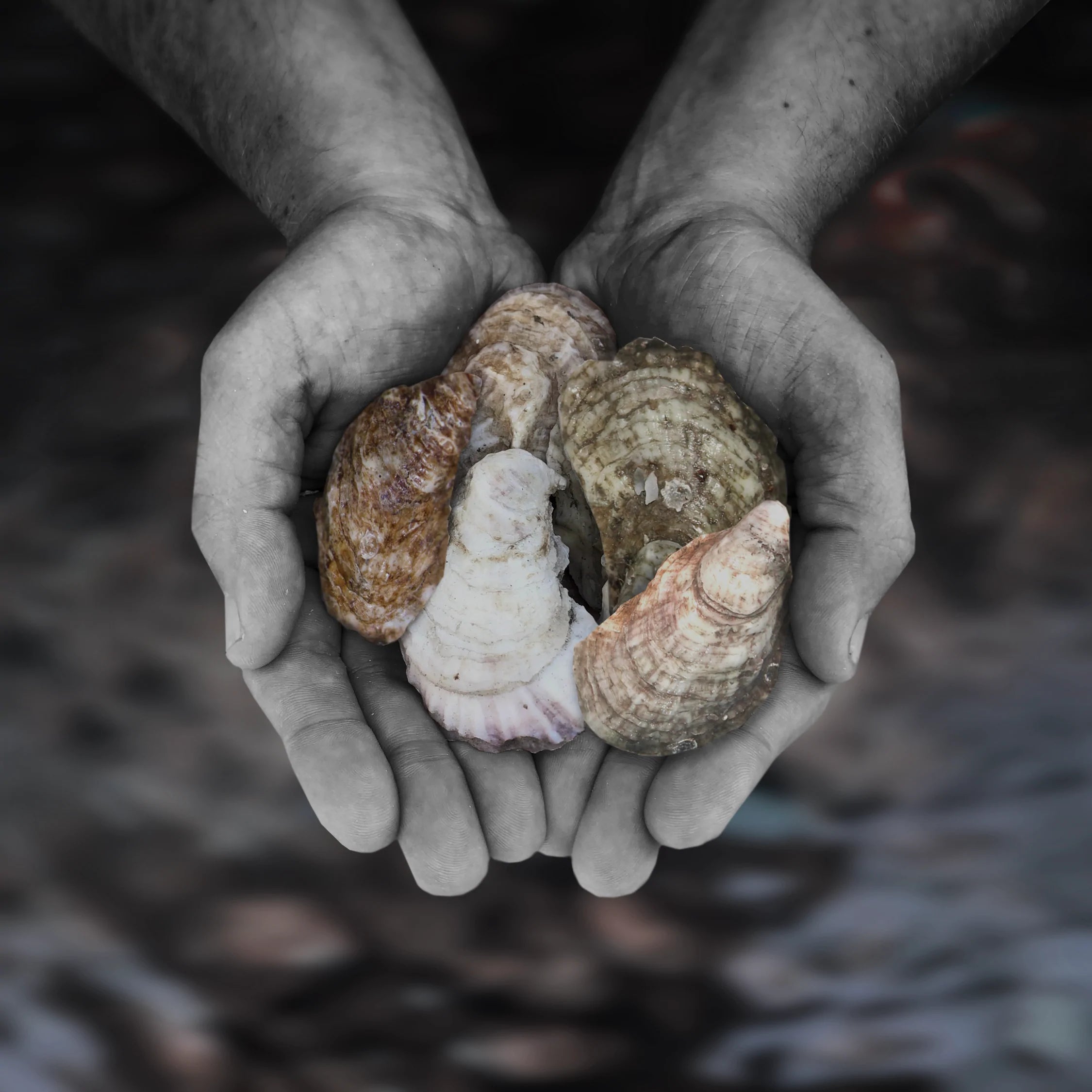
The 5 Most Popular Oyster Species in North America
Oysters are a type of bivalve mollusk found in various parts of the world, including North America. Not only are they incredible table fare, but they do a remarkable job at cleaning our coastal waters. A single oyster can filter up to 50 gallons of water a day!
There are five species of oysters that are native to North American waters, and each has its own unique characteristics and flavor profile. In this blog, you will be introduce to each unique species.

Eastern Oyster
The first species is the Eastern oyster (Crassostrea virginica), which is found along the Atlantic coast of North America from Maine to Florida. These oysters are typically larger than other species, and have a distinctive salty flavor.

Pacific Oyster
Next is the Pacific oyster (Crassostrea gigas), which is found along the Pacific coast of North America from California to British Columbia. These oysters are smaller than Eastern oysters, and have a milder, more delicate flavor.
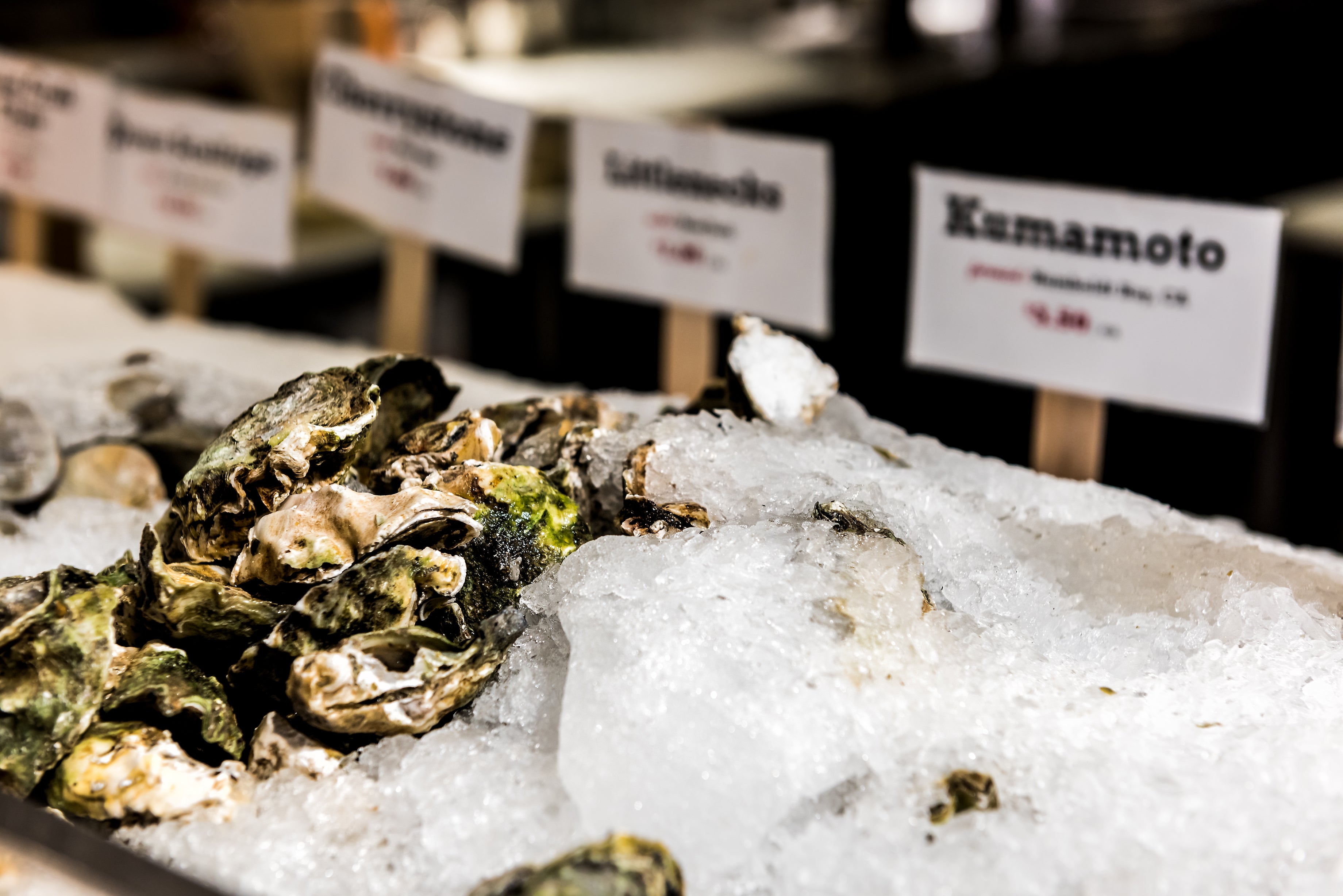
Kumamoto Oyster
Third is the Kumamoto oyster (Crassostrea sikamea), which is native to the coast of California. These oysters are small and have a deep cup, which makes them perfect for serving on the half-shell. They have a sweet and fruity flavor.

Olympia Oyster
The fourth species is the Olympia oyster (Ostrea lurida), which is native to the Pacific coast of North America. These oysters are the smallest of the North American species, and have a mild and slightly sweet flavor.

European Flat Oyster
Finally, there is the European flat oyster (Ostrea edulis), which is native to the Atlantic coast of Europe, but has been introduced to the Pacific coast of North America. These oysters are larger than the other North American species, and have a rich and complex flavor.
Conclusion
Overall, North American oysters are an incredibly diverse group of mollusks, with each species offering its own unique taste and texture. Whether you prefer the large and salty Eastern oyster, the small and sweet Kumamoto oyster, or any of the other species, there is sure to be a North American oyster that will satisfy your palate.




Share:
What's the best travel mug that doesn't alter the coffee taste?
Toadfish Oyster Presentation for Young Students