



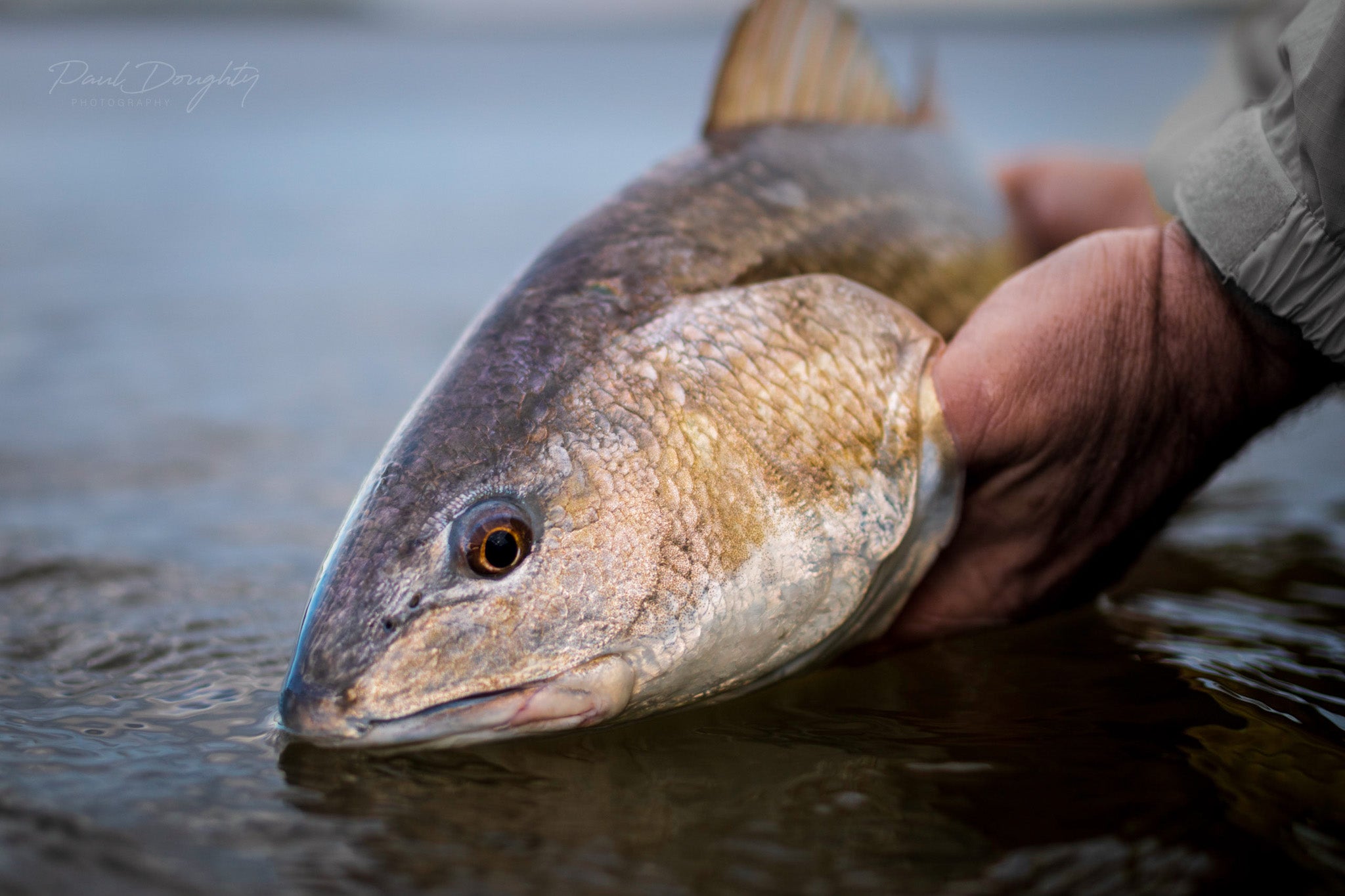
Winter is a great time to catch redfish in the saltwater marshes of the Southeastern United States. These hard-fighting fish can be found in large numbers and are a popular game fish among anglers. However, catching them can be a bit tricky, as they tend to move around and can be hard to find. In this blog post, we will provide some tips and tricks to help you target and catch more winter redfish.

Know Where To Look
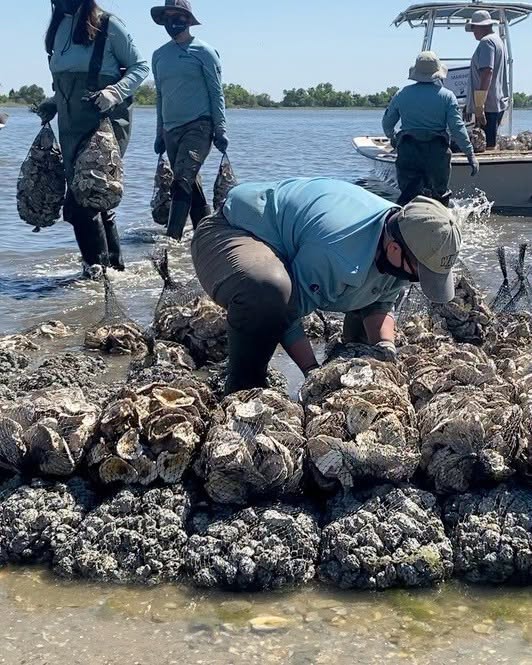
Redfish can be found in a variety of habitats, including marshes, oyster beds, and mangroves. They are also known to move around in search of food, so it's important to know the areas that they are most likely to be in during the winter months. Some popular areas to target redfish in the winter include the mouths of creeks, channels, and inlets.

Use The Right Lures
When it comes to fishing for redfish in the winter, there are a variety of lures that can be effective. Here are a few popular options:
-
Soft Plastic Shrimp Lures: Soft plastic lures, such as soft plastic shrimp, can be effective for catching redfish in the winter. They can mimic the movement and appearance of live bait, making them a good choice for targeting redfish that are feeding on shrimp and other crustaceans.
-
Topwater Lures: Topwater lures, such as poppers and walk-the-dog style lures, can be effective for catching redfish in the winter. They can mimic the movement and appearance of surface-feeding baitfish, making them a good choice for targeting redfish that are feeding on topwater.
- Paddle Tail Swim Baits. Swim Baits can be effective for catching redfish in the winter, especially when fished around oyster beds and other structure. They can mimic the movement and appearance of small baitfish, making them a good choice for targeting redfish that are feeding on menhaden or mullet.
It's important to note that redfish can be caught with a variety of lures, and what works best will depend on the location, time of year and the redfish's feeding habits. It's always a good idea to experiment with different lures and techniques until you find what works best in your specific area.
Fish During the Right Tides
The tides refer to the rise and fall of the water level in the ocean and other bodies of water. There are two main tides each day, the high tide and the low tide. The tide changes from high-to-low, and low-to-high are known as incoming and outgoing tides.
Redfish are known to be more active during incoming and outgoing tides. This is because during these times, the water is moving, which creates currents that push baitfish into the marshes. When baitfish are pushed into the marshes, redfish follow in pursuit to feed.
During the falling tide, the water level is receding and redfish will move into the marshes to feed on the baitfish that are being pushed into the marshes by the outgoing tide. This is a good time to target redfish that are moving into the marshes to feed.
During the rising tide, the water level is coming in, and redfish will move out of the marshes to find deeper water. This is a good time to target redfish that are moving out of the marshes to find deeper water.
It's important to note that the timing of the tides can vary depending on location and the specific area you are fishing. It's always a good idea to check the tide schedule for the specific area you plan to fish, and to fish during the incoming and outgoing tides when redfish are most active.

Use Lighter Action Rods
When fishing for redfish, it's important to use a rod with the appropriate action. The action of a rod refers to the way it bends when pressure is applied to it. A light-action rod is one that bends mainly at the tip, and it is considered to have a more sensitive feel.
Redfish are strong fighters, but they are also relatively delicate fish. A light-action rod will allow you to feel the fish biting and also will prevent you from overplaying the fish. This is because a light-action rod will bend more easily when a fish bites, allowing you to detect the bite more easily. Additionally, a light-action rod will also provide a softer hook set, which reduces the chance of the hook tearing out of the fish's mouth and allows for a more natural fight.
By using a light-action rod, you will be able to feel the fish biting and also be able to play the fish with more delicacy and control, which will help you to land more redfish.
It's important to note that light-action rods can be fragile, so they should be handled with care, especially when casting and retrieving the lure. It's also important to match the rod action with the right fishing line and reel to optimize the performance.
Conclusion
By following these tips, you'll increase your chances of catching more winter redfish in the saltwater marshes of the South Eastern United States. Remember to always follow local fishing regulations and practice catch-and-release to ensure the sustainable population of redfish. Happy fishing!



Share:
How To Tell Difference Between Male and Female Blue Crabs
4 Easy Ways to Incorporate Sustainable Practices into Your Coastal Kitchen
4 comments
You absolutely know how to keep your readers interest with your witty thoughts on that topic. I was looking for additional resources, and I am glad I came across your site. Feel free to check my website Webemail24 about Blogging.
6jgoq6
f3qng1
vifl42