

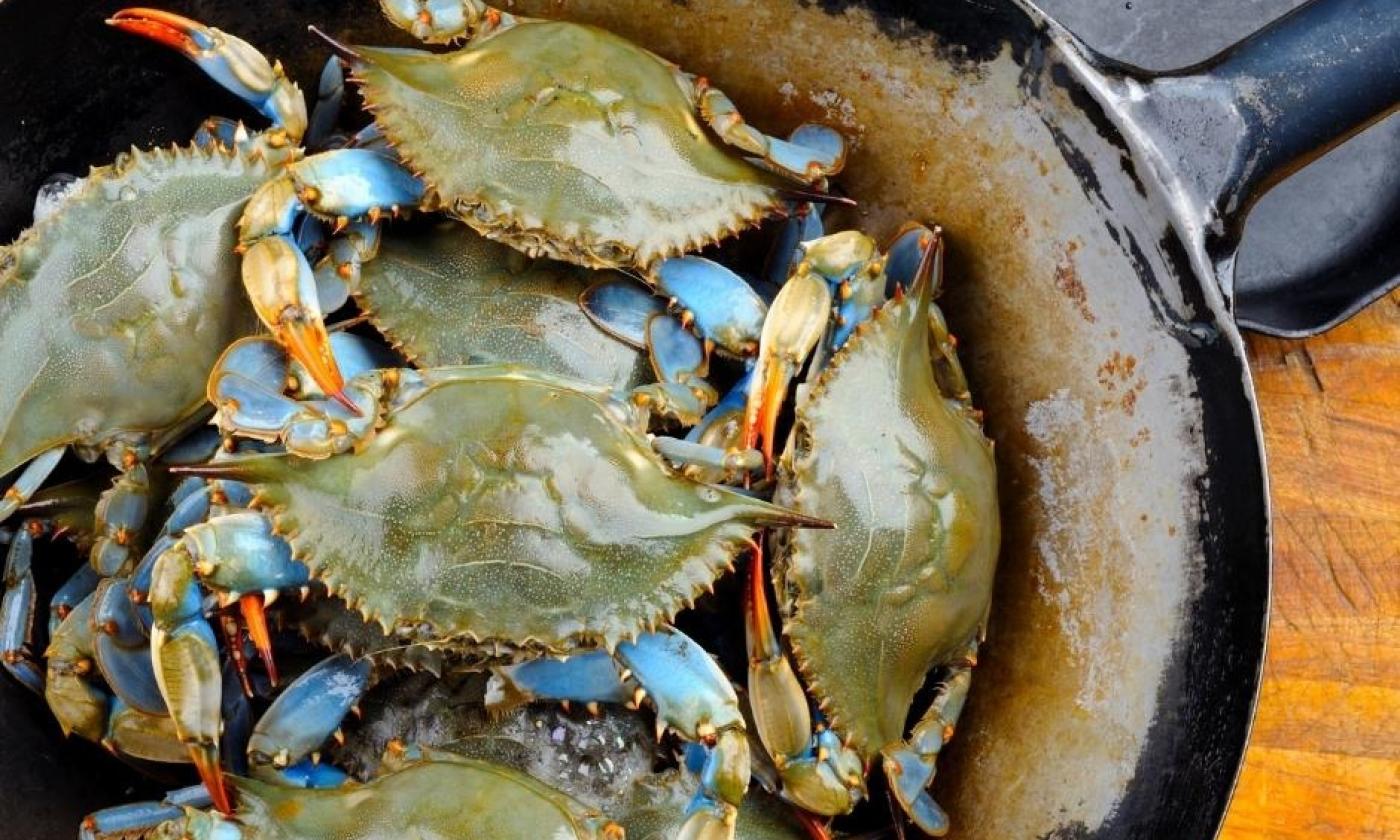
Crabs are an important part of many marine ecosystems, and they can also be a popular food source for humans. However, before you go crabbing or order crab at a restaurant, it's important to know how to tell the difference between male and female crabs.

Size Difference

One of the most obvious ways to differentiate male and female crabs is by looking at their size. In many species of crab, males are larger than females, especially during the mating season. However, size can vary greatly within a species, so it's not always a reliable way to determine the sex of a crab.

Aprons

Another way to differentiate male and female crabs is by looking at their abdominal flap, or "apron." In male crabs, the apron is triangular in shape and points towards the rear of the crab. In female crabs, the apron is rounder and wider, and it is located closer to the center of the crab's underside.

Claw Size

Another way to tell male and female crabs apart is by looking at their claws. In many species of crab, males have larger, thicker claws than females. However, this can vary depending on the species and the individual crab, so it's not always a reliable way to determine the sex of a crab.

Reproductive Organs

Finally, you can differentiate male and female crabs by looking at their reproductive organs. In male crabs, the reproductive organs are located on the underside of the thorax, just behind the legs. In female crabs, the reproductive organs are located on the abdomen, near the base of the tail.

Conclusion

In summary, there are several ways to tell the difference between male and female crabs. The most reliable methods include looking at the size and shape of the abdominal flap, the size and thickness of the claws, and the location of the reproductive organs. With a little practice, you'll be able to differentiate male and female crabs with ease.

5 comments

  • medranostarckuzz8n0+24q0m741sd69@gmail.com
    • medranostarckuzz8n0+24q0m741sd69@gmail.com
    • June 9, 2024 at 3:49 pm

    ullam aut officia repellendus hic ratione autem omnis expedita vel sit at eum blanditiis expedita. dolor non commodi doloremque eum fuga dolor sit quibusdam est ut est nulla consequuntur cumque enim.

  • cantrellmechanicfcy5k2+24q0m6c6ualg@gmail.com
    • cantrellmechanicfcy5k2+24q0m6c6ualg@gmail.com
    • June 1, 2024 at 10:12 am

    perspiciatis dignissimos nesciunt laudantium velit vel molestiae dolor facilis est facere nemo deserunt doloribus aliquam. laborum veniam culpa consequuntur quis earum temporibus atque voluptas tempor

  • flagstoneveneydel2q9+24q0m8jmpvhr@gmail.com
    • flagstoneveneydel2q9+24q0m8jmpvhr@gmail.com
    • May 25, 2024 at 4:47 am

    enim possimus in magni quia nobis quis nobis iure non. ducimus sed dolores quos laudantium necessitatibus rerum qui illum incidunt ea error esse quibusdam molestiae minima soluta dolores et non. optio

  • Hello World! https://rn5z70.com?hs=a1e1055b243d156456be04a8e7736b90&
    • Hello World! https://rn5z70.com?hs=a1e1055b243d156456be04a8e7736b90&
    • January 27, 2023 at 2:57 am

    1zrvr2

  • Hello World! https://eswyoz.com?hs=a1e1055b243d156456be04a8e7736b90&
    • Hello World! https://eswyoz.com?hs=a1e1055b243d156456be04a8e7736b90&
    • January 22, 2023 at 6:10 pm

    54pasu

Leave a comment

Please note, comments need to be approved before they are published.

This site is protected by hCaptcha and the hCaptcha Privacy Policy and Terms of Service apply.

Latest Stories

View all

barge brings oyster recovery partnership shells out to be planted into a reef

A Pathway for Oysters: Restoring Habitat in the Lower Cape Fear

The North Carolina Coastal Federation is working to bring oyster habitat back to the Lower Cape Fear River through an ambitious, multi-year Oyster Pathway. Learn how this collaborative restoration effort is reconnecting reefs, strengthening coastal ecosystems, and creating a healthier future for one of North Carolina’s most important waterways—and how Toadfish is helping support the work.

Read more

barge brings oyster recovery partnership shells out to be planted into a reef

Building a Living Shoreline: SCDNR Research at Fort Johnson

This summer, the Toadfish Conservation Coalition helped support a new 200-foot living shoreline at SCDNR’s Marine Resources Research Institute at Fort Johnson in Charleston Harbor. Built on years of SCDNR research, the project combines manufactured wire reefs and oyster shell bags to create new oyster habitat, protect an eroding salt marsh, and provide researchers with valuable data on how living shorelines can strengthen South Carolina’s coast.

Read more

barge brings oyster recovery partnership shells out to be planted into a reef

Rebuilding the Bay: The Work of the Oyster Recovery Partnership

Toadfish partners with the Oyster Recovery Partnership to support large-scale oyster reef restoration across the Chesapeake Bay. Through shell recycling, reef construction, and community-driven initiatives, ORP is rebuilding critical habitat, improving water quality, and strengthening coastal ecosystems. This collaboration highlights the impact of long-term conservation efforts and the importance of oysters in restoring balance to one of the nation’s most vital and productive estuaries.

Read more