




Fall Redfish Fishing Tactics
As summer comes to an end, anglers search for the next big thing. The migration of large bull redfish happens in the first few weeks of fall, making it an incredible time to catch redfish off the Eastern coast.
Bull reds show up in fairly large schools, sometimes around 50-100 fish per school. When they are in town, many fish can be caught. Typically, these large redfish target huge schools of menhaden and mullet up and down the coast into rivers. Although their time by the coast is limited, here are a few tips and tactics to ensure your time in the water is successful:

Tip #1 - Have the right equipment
It is vital that you come prepare and ready to fight a large bull redfish. In order to make sure your rod and reel performs properly against these strong fish, we suggest using spinning setup. Spinning rods are most suited for throwing lures or baits with ease. You'll want a rod with a powerful backbone and faster action. We suggest the following setup:
Rod: Toadfish 7'2'' MH Fast Spinning Rod
Reel: 3000 Spinning Reel
Braid: 20-30LB Braided Line
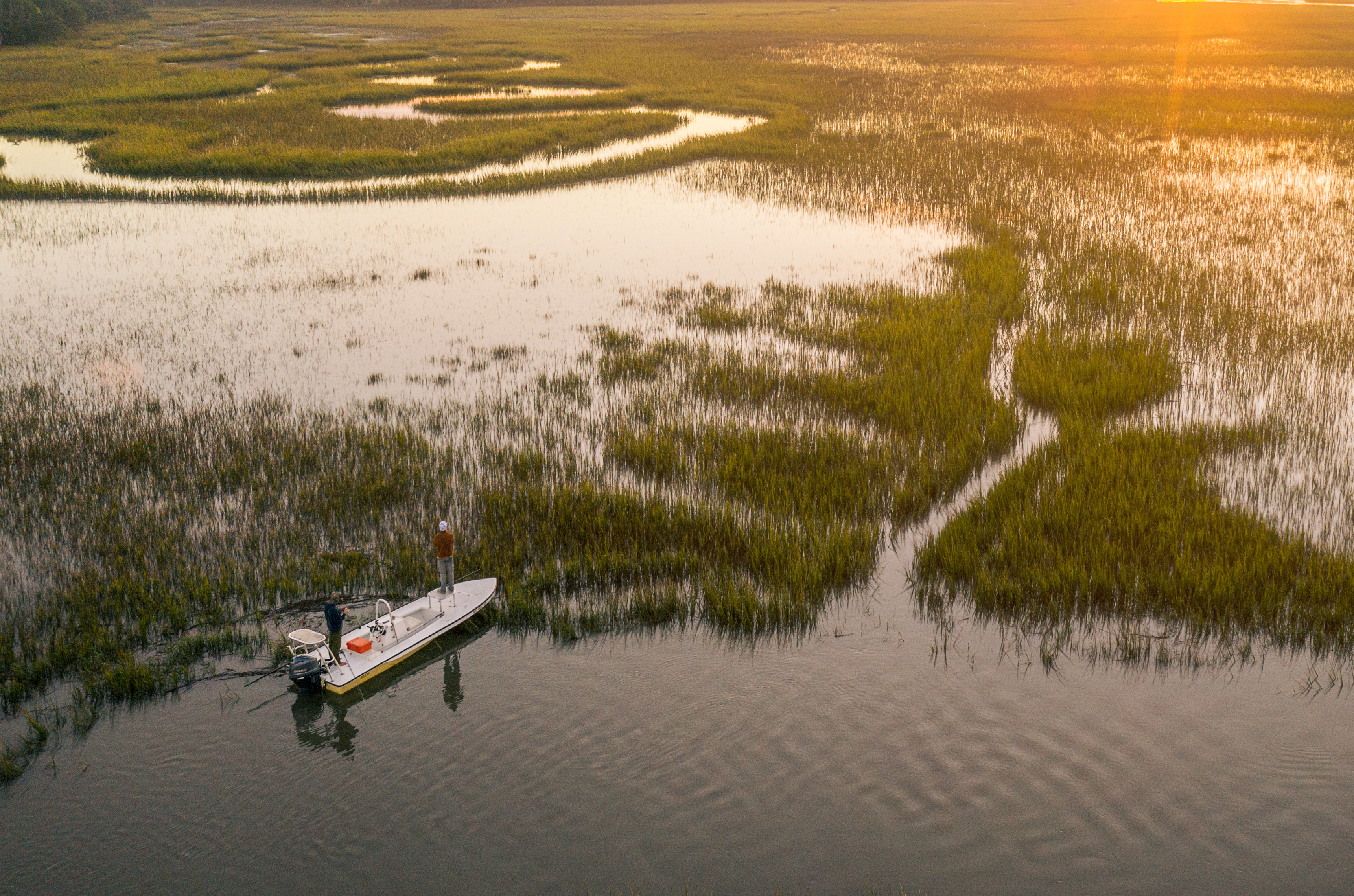
Tip #2 - Know where to find them
Unlike summertime redfish fishing, redfish are no longer as active or hungry as they once were. As fall approaches, redfish tend to feed around deeper edges of flats, creek points, or creek mouth entrances.
As the water cools down, redfish become a bit lethargic and try to conserve as much energy as possible. Another tactic is to find bull reds through spotting large schools of menhaden. Search for birds hovering above to find a quick snack. When near a large school of bait, simply throw some cut bait or cast lures into them - they will most likely bite!
Tip #3 - Use the correct bait
It's important that wherever you are fishing, you are using the correct bait to help in your success. Whether you have targeted a large school of baitfish or you're blind casting into a creek mouth, having the correct profile (size) and presentation is essential.
Artificial
Baitfish are typically at their largest around this time of year, redfish are focused on finding the bigger sized fish. With that being said, we'd suggest using a lure around 4-6 inches. If fish are more skittish, use a smaller sized lure.
Anglers have also found success using buck-tail jigs, jigging spoons, and large swim baits jigged on the bottom.
Live or Cut Bait
Many anglers have a lot of success using cut bait to catch massive bull reds. Since redfish are not actively feeding as much as summertime, cut bait allows them to have an easy meal with little to no effort. We suggest using menhaden, mullet, or ladyfish.
Conclusion
Although they are only in the coastal waters for a few weeks, bull redfish are something that anglers don't want to miss out on. When fishing for redfish, be sure to use a rod with a powerful backbone and a reel that can handle a strong fight. Search for schools of baitfish in deeper waters and in/around creek mouths. Use 4-6'' artificial lures or cut bait to hook up on you next trophy bull redfish!


Share:
How to Clean and Maintain Your Rods and Reels Safely and Properly
How To Properly Pack Your Cooler