



Should You Boil or Steam Blue Crabs?
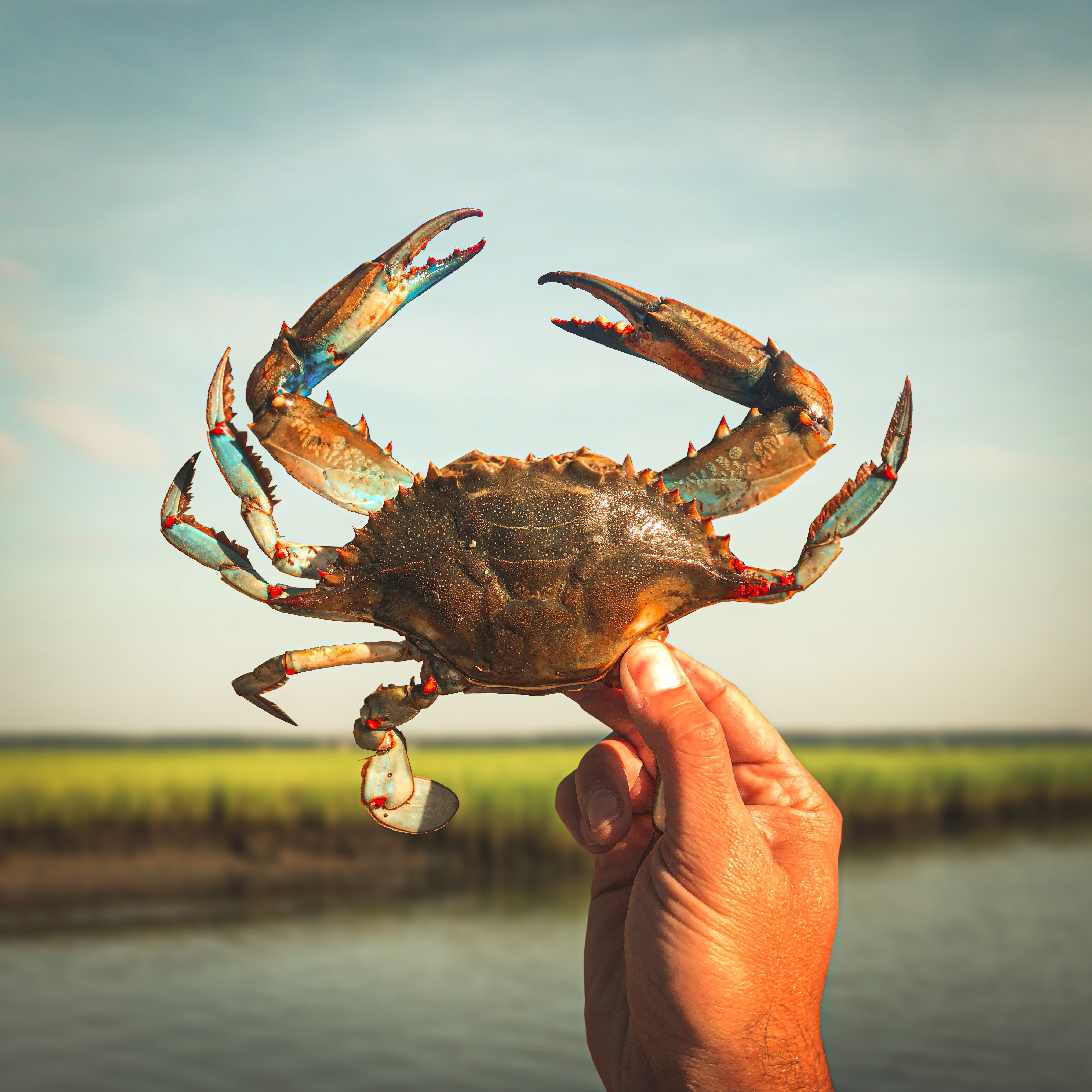
The age old question. Everyone has their own opinion on whether boiling or steaming your blue crabs produce the best results. Much like lots of other food recipes and ingredients, individuals from varying regions of the country pick a side and do anything to defend their stance. Today, we’ll dive deep into both sides of the argument to hopefully inspire you to make a decision.

Boiling Crabs
Majority of blue crab eaters on the eastern coastline tend to stick to one method of cooking crabs: boiling. Most of the time, its straight into boiling water, no seasoning added. Other times, it will be doused in buckets of Cajun seasoning for those that can get with the heat.
For those who that let the blue crabs take the plunge, they argue that boiling water results in more flavor due to the crab soaking in the liquid, thus absorbing it all and making it much tastier to eat. When steaming, the flavors get lost and remain only on the surface of the crab’s shell.
Seasoning becomes much easier when boiling crabs. By pouring your go-to seafood salt, you create a delicious bath concoction, evenly distributed throughout, for your blue crabs to remain moist. On the other hand, when steaming crabs, they are unable to soak up the mix.
Not only does boiling crabs create a great texture to the sweet meat, but once the feast has finished, you are left with an incredible seafood broth that can be used as repurposed stock in soups, dipping sauces, etc. 2-for-1 action!
Steaming Crabs
Marylanders, like myself, have decided that there is only one way to cook a crab and that is by steaming. Blue crab-enthusiasts swear by this method and if asked whether they’ve ever thought of boiling, be prepared for some strong words.
Crab steamers can agree that steaming blue crabs using a good light beer and some Old Bay seasoning, cooks the crabs faster and more efficiently without the concern of water logging. When boiling your crabs, the sweet meat becomes overwhelmingly seasoned. By steaming, you protect the natural taste of the cooked blue crab meat, while adding a touch of salt.
Steaming is not as risky as boiling. Sometimes, boiling crabs can result in overcooked wet crab, making it increasingly more difficult to clean and eat. By removing the direct contact of liquid, you maximize the sweetness and texture of the delicate meat. Oftentimes prepared to an oven, steaming allows the crab meat to cook in its natural juices for the ultimate crab taste.
Which method do you prefer and why? Leave a response in the comments below!



Share:
Simple Margarita Recipe
The 5 Best Soft Plastics for Inshore Saltwater Fishing
70 comments
Barbecued is the way to go here in Southeast Texas. Otherwise steamed.
Most definitely steamed with lots of Old Bay and since we purchased the crab/lobster tool set it couldn’t be easy to eat. Love my Maryland Blue Crabs, just wished we lived closer.
Steaming them
Maryland got Blue Crabs
An JO #2 the way to go not Old Bay like some think.
In Maryland the only way is steamed, however with JO seasoning not as most people think we use Old Bay.
Definitely boiled!