



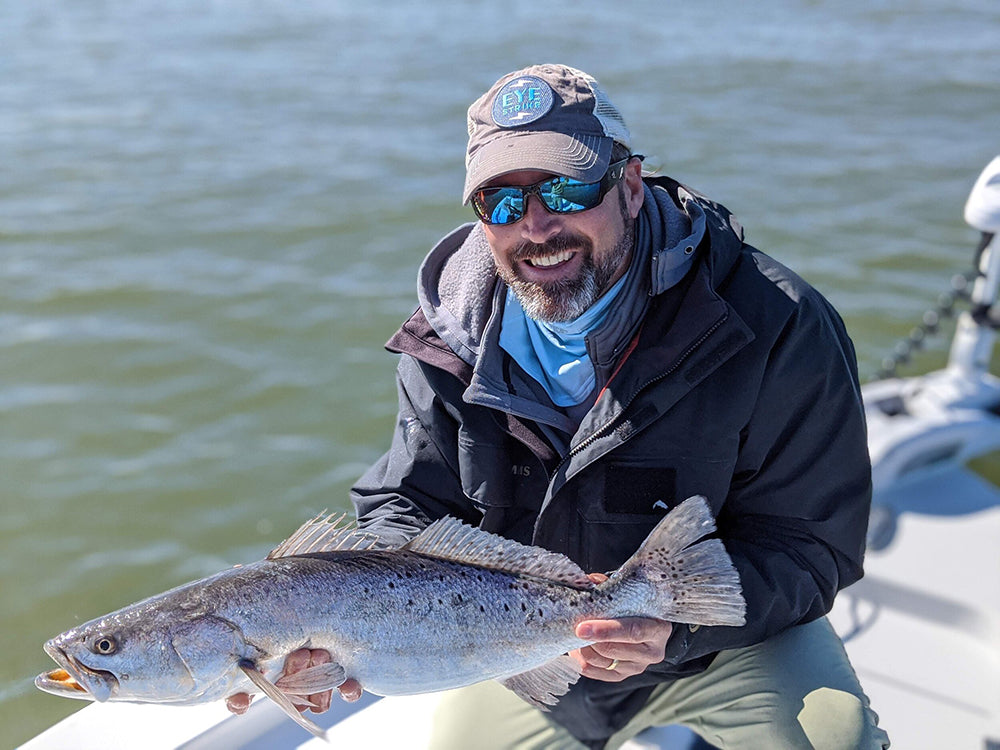
In Episode 1 of the Put 'Em Back podcast, titled "Release Over 20," Toadfish Co-Founder and CEO Casey Davidson kicks off the series with an in-depth discussion about sustainable fishing practices and the environmental mission behind the Toadfish brand. The episode centers on the “Release Over 20” initiative, which encourages anglers to release speckled trout that are over 20 inches long in order to help preserve healthy fish populations and ensure the long-term sustainability of the species.
Davidson explains that larger trout are crucial for reproduction and maintaining ecological balance in coastal fisheries. He dives into the science behind the initiative, outlining how overharvesting larger fish can lead to long-term population decline and disrupt the natural food chain. Throughout the episode, listeners gain insight into how small changes in angler behavior—like catch-and-release practices—can have a profound impact on marine ecosystems.

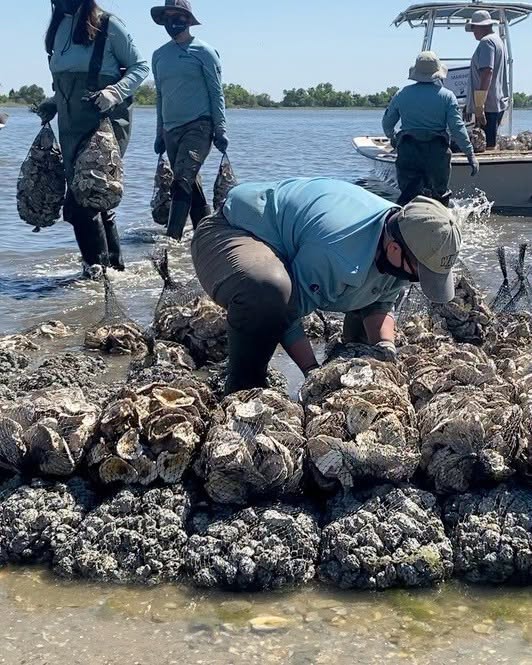
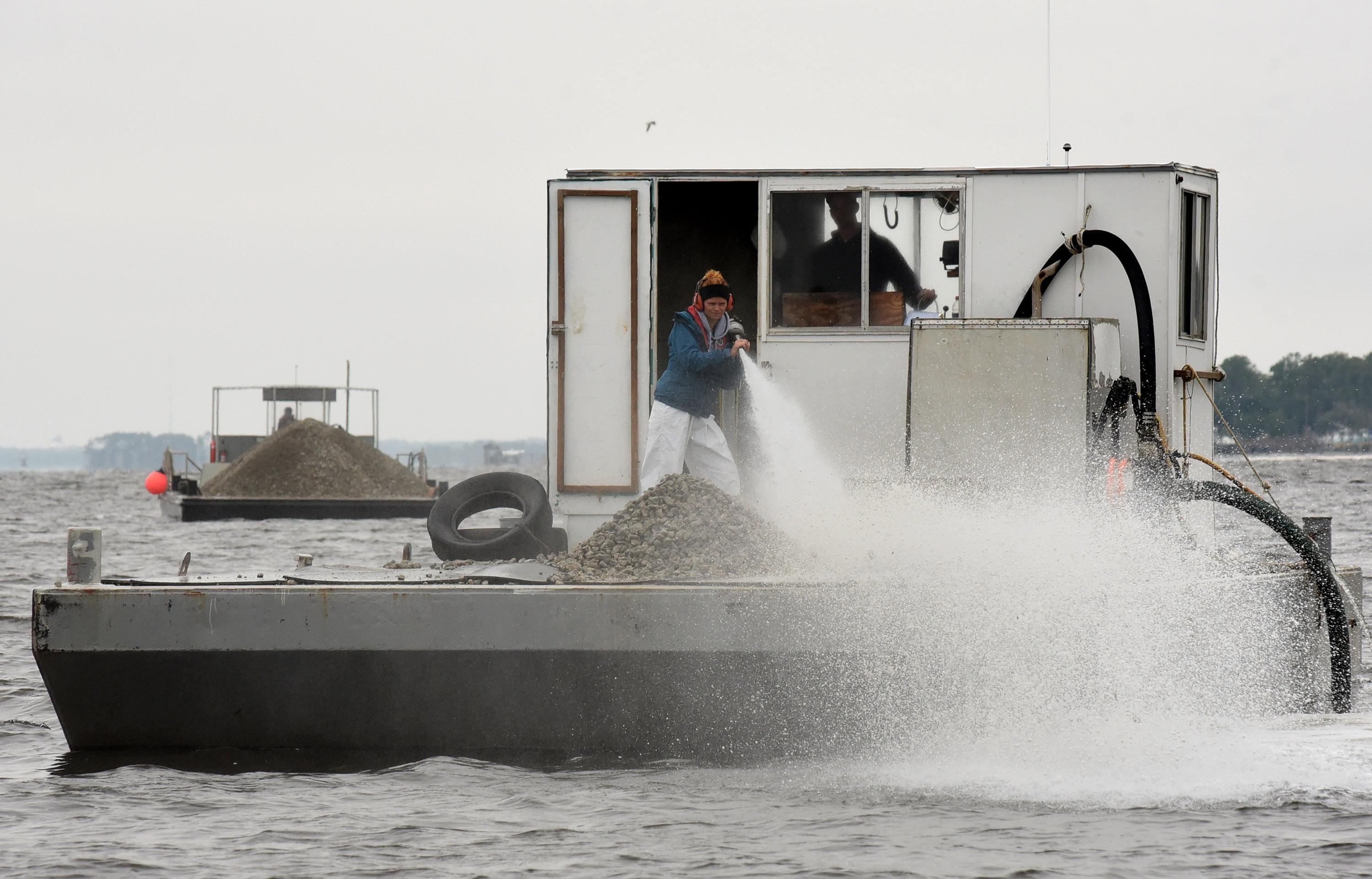
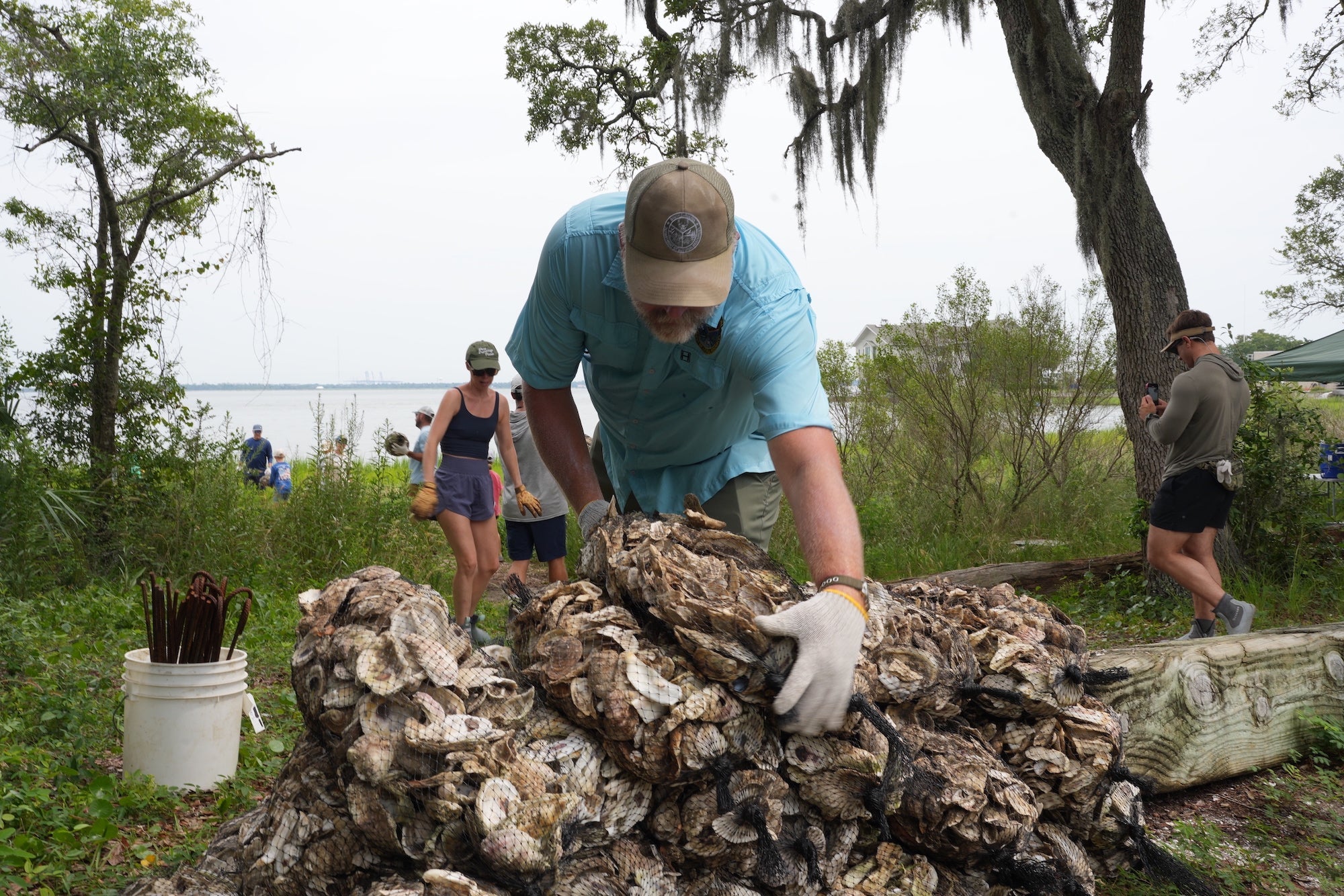
The episode also introduces Toadfish's broader conservation mission, including the company's dedication to oyster reef restoration and its unique approach of reinvesting a portion of every purchase into coastal preservation. Davidson shares personal stories and reflects on how growing up on the water shaped his commitment to conservation.
This inaugural episode sets the tone for the rest of the Put 'Em Back podcast series, combining practical knowledge for anglers with a deeper message about protecting the waterways we all enjoy. It's an engaging and informative listen for anyone passionate about fishing, marine conservation, or sustainable outdoor living.

What is Release Over 20″?
If you listen to any old-timer, they will tell you about the abundance of fish back in the day. There were so many fish, you couldn’t imagine making a dent in the population. As such, there were no limits so everyone kept as many fish as they wanted. With the benefit of scientific advancement and hindsight we now know that it’s simply not sustainable in today’s world.
Who doesn’t want more trophy fish to catch (and release)?
The science behind the resource tells us there are many reasons we should Release Over 20, including:
- For most species, the largest/trophy fish are female.
- Large fish are survivors. They have survived the gauntlet of angling pressure, predation, cold snaps, etc. to reach their current age.
- These survivor fish may have survived because of superior genetics. It’s important that they are able to spawn and propagate those genes.
- Catch and release works, as long as we follow best practices for fish handling.
There are several issues that act as multipliers toward unsustainability of our fisheries, including:
- Unprecedented numbers of anglers on the water
- Ever improving technology (side-scan, live scope)
- A flood of freely accessible information on fishing instruction, down to very specific information on how, what, where and when to catch fish (YouTube)
- Reduced habitat for fish (coastal construction, loss of sea grasses)
- Increasing pollution (runoff, fertilizers, pesticides)
Our state regulations are simply not keeping up with all of this. So, what can we do about it? Create and follow your upper slot and bag limits.
You can make an impact on a personal level, immediately, starting today.
And tell people what you’re doing and why. That is our philosophy.
We are hopeful that if we can get enough anglers to start following these principles – that we can make a measurable improvement in abundance and sustainability in our fisheries, and that our kids and grandkids will have more and better fish to catch than we do.
Visit the Release Over 20 Site
Listen to Episode 1 on Spotify
Listen to Episode 1 on Youtube



Share:
Ep. 2 - Oysters are our Liver