



Inshore saltwater fishing is a thrilling and fulfilling hobby for anglers of all experience levels. If you're looking to get started in this exciting sport, it's essential to choose the best spots for inshore fishing. Inshore fishing refers to fishing close to the coast, typically within a few miles from shore.
This type of fishing provides access to a diverse range of habitats that attract various species of fish, making it a perfect destination for anyone looking to catch a big one.
In this article, we'll be discussing the key factors to consider when choosing a spot for inshore saltwater fishing, including water depth, tides, wind direction, and different types of habitats, and how technology can be used to find the best spots. Whether you're a seasoned fisherman or just starting out, this guide will help you find the perfect location for a successful fishing trip.
Factors to Consider When Choosing a Spot
Choosing the right spot for inshore saltwater fishing is crucial to increasing your chances of success. There are several key factors that you should consider when selecting a location, including water depth, tides, and wind direction.
Water Depth
The depth of the water can greatly impact your fishing experience. Different species of fish are attracted to different depths, so it's important to know what kind of fish you're targeting and what depth they are most likely to be found in. For example, redfish and trout are often found in shallow water, while snapper and grouper prefer deeper waters.
Tides
Tides play a crucial role in inshore fishing as they can greatly affect the behavior of fish and their feeding patterns. The type of tide (flood or ebb) and the strength of the tide can determine the location of baitfish, which in turn affects the location of predator fish. It's important to choose a spot that corresponds with the tides to increase your chances of catching fish.

Wind Direction
Wind direction can have a big impact on the behavior of fish and the conditions of the water. On calm days, fish may be more likely to be found in shallow waters, while on windy days they may be driven into deeper waters. Understanding the wind direction can help you choose the best spot for inshore fishing.
By considering these key factors when choosing a spot, you can increase your chances of having a successful and enjoyable inshore fishing experience.
Types of Inshore Habitats
Inshore fishing provides access to a variety of different habitats, each of which can attract different species of fish. By understanding these habitats, you can choose a spot that is most likely to provide the type of fishing experience you're looking for. Some of the most common types of inshore habitats include mangrove forests, seagrass beds, and mudflats.
Mangrove Forests
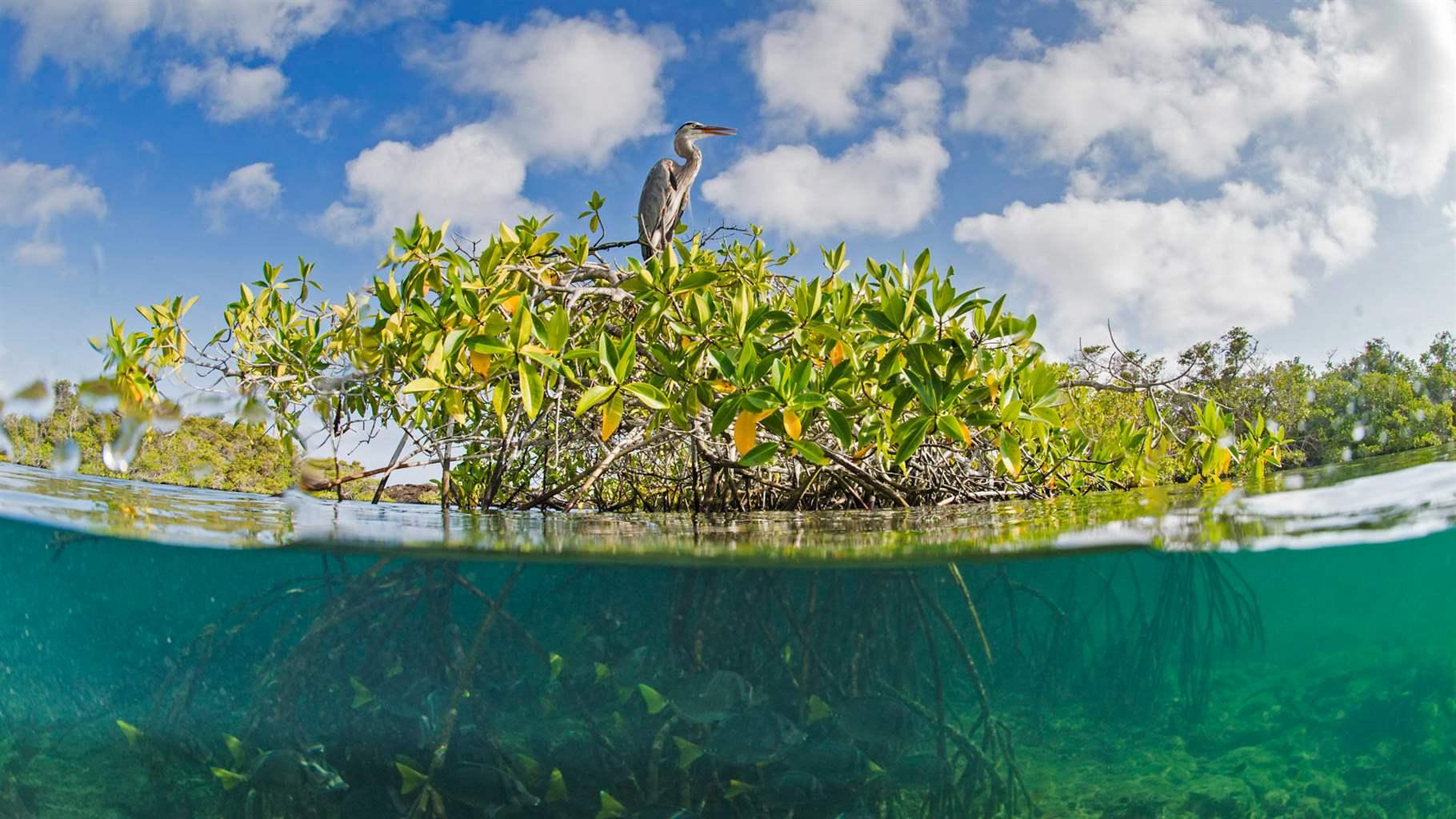
Mangrove forests are dense, jungle-like areas found along the coast in shallow waters. They provide a crucial habitat for numerous species of fish and serve as nursery grounds for many species of juvenile fish. Mangrove forests are ideal for fishing because they offer both shelter and food for fish, making them a popular destination for anglers. Species such as snook, redfish, and tarpon are often found in mangrove forests.

Seagrass Beds
Seagrass beds are areas of shallow waters where seagrasses grow in dense underwater meadows. They provide crucial habitat for numerous species of fish and serve as feeding grounds for many species of juvenile fish. Seagrass beds are also a popular destination for anglers, as they provide ample opportunities for both casting and trolling. Species such as redfish, speckled trout, and flounder are often found in seagrass beds.

Mudflats
Mudflats are areas of shallow waters where mud and sand are exposed during low tides. They are ideal for fishing because they provide a crucial habitat for various species of baitfish, which in turn attracts larger predator fish. Mudflats are a popular destination for anglers targeting species such as redfish, trout, and flounder.

By understanding these different types of inshore habitats, you can choose a spot that best suits your fishing needs and provides the best chance for a successful and enjoyable experience.
Using Technology to Find the Best Spots
In today's technological age, anglers have access to a wide range of tools and resources to help them find the best spots for inshore saltwater fishing. From smartphone apps to GPS units and sonar devices, there are many ways to use technology to increase your chances of success.
Smartphone Apps
There are many fishing-specific apps available that provide information on the best spots for inshore fishing, including tides, water conditions, and fishing reports. Some apps also allow you to track your fishing progress and share your experiences with others. For example, Google Maps is a great resource to have when trying to locate prime inshore fishing spots in your area.
GPS Units
GPS units can be incredibly helpful for finding the best spots for inshore fishing. They allow you to track your location and find the best spots for fishing based on water depth, tides, and wind direction. Some GPS units also come equipped with sonar capabilities, allowing you to see what's beneath the surface of the water.
Sonar Devices
Sonar devices use sound waves to create a detailed image of what's beneath the surface of the water. This can be incredibly helpful for finding the best spots for fishing, as you can see where schools of baitfish or predator fish are located.
By utilizing these technological tools, you can increase your chances of finding the best spots for inshore saltwater fishing and having a successful and enjoyable fishing experience.
Conclusion
In conclusion, inshore saltwater fishing is an exciting and rewarding activity that can be enjoyed by anglers of all skill levels. By choosing the right spot, considering important factors such as water depth, tides, and wind direction, and utilizing technology to your advantage, you can increase your chances of success and have a great time on the water.
Understanding the different types of inshore habitats, such as mangrove forests, seagrass beds, and mudflats, can also help you select a spot that best suits your fishing needs. Whether you're an experienced angler or just starting out, inshore saltwater fishing offers endless opportunities for adventure and enjoyment.


Share:
4 Easy Ways to Incorporate Sustainable Practices into Your Coastal Kitchen
Clothing for Comfort: What to Wear for Saltwater Fishing
37 comments
bRSajZBX
DjaKsZBHi
ldrEWiVxzLNPYDIy
bvpYnVjhSi
RsOlSnEvMF